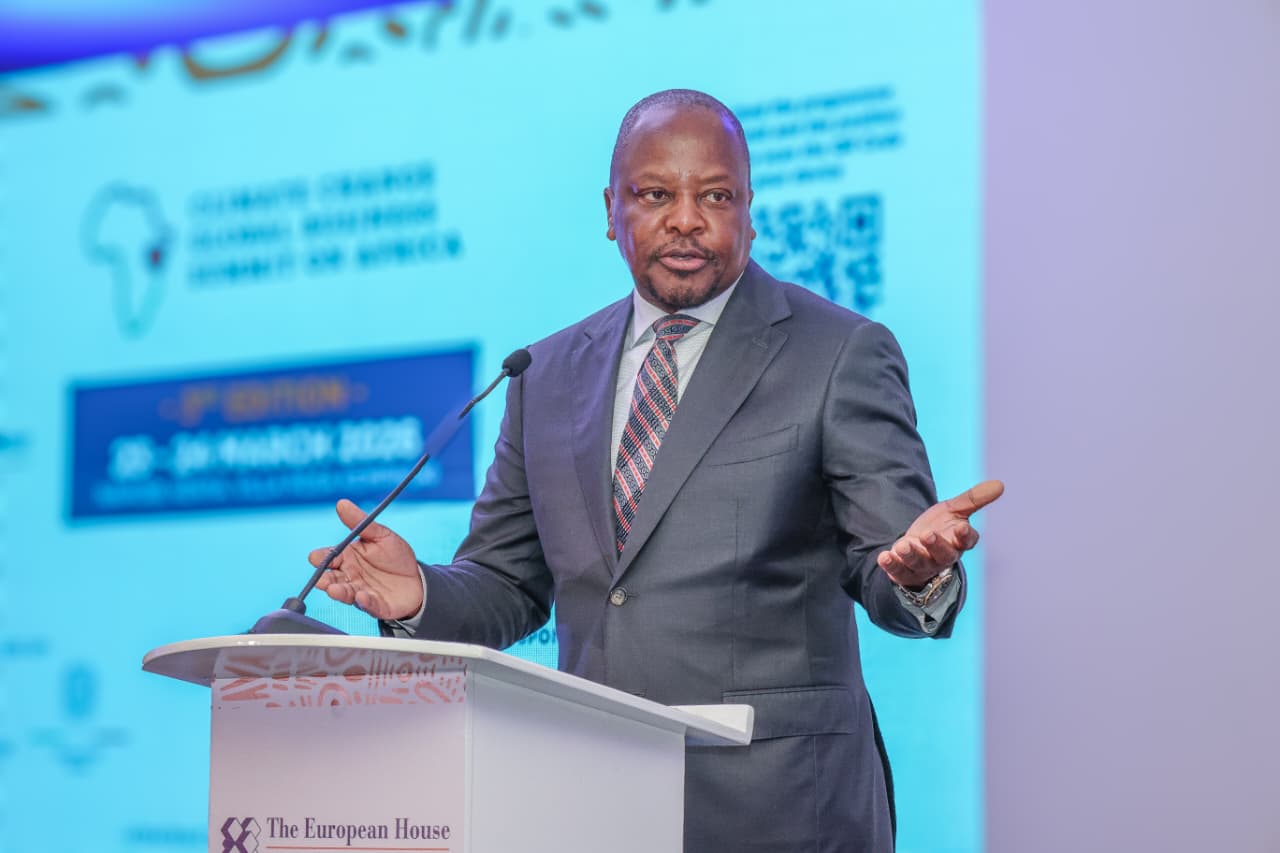
In a resounding endorsement of his leadership,Sen. Mutahi Kagwe has emerged as the best performing Cabinet Secretary in Kenya, topping the 2026 national survey with an impressive 86.5 percent approval rating.
The nationwide poll, conducted by KenyaTrack between March 15 and April 10, 2026, sampled over 12,000 respondents across all 290 constituencies, painting a clear picture of a Cabinet Secretary whose impact is being felt from policy rooms in Nairobi to farms across rural Kenya.
Since assuming office at the Ministry of Agriculture and Livestock Development, CS Kagwe has distinguished himself through a fast-paced, results-driven approach that has redefined government intervention in the sector.
At the heart of his strategy has been an aggressive push for increased agricultural funding—positioning food production not just as a sectoral issue, but as a national priority tied directly to economic stability and household welfare.
His alignment of agriculture with Bottom-Up Economic Transformation Agenda (BETA) has further elevated the sector’s centrality in government planning, reframing farming as a key driver of income growth, job creation, and national resilience.
CS Kagwe’s tenure has been marked by deliberate efforts to shield farmers from market shocks and systemic vulnerabilities. His directive prioritizing locally produced wheat has been widely credited with stabilizing prices and safeguarding farmer incomes in the face of import pressures.
In the livestock sector, the introduction of a strategic animal feed reserves plan has signaled a shift toward proactive planning—aimed at cushioning farmers during drought cycles that have historically devastated pastoral communities.
These interventions, analysts say, reflect a deeper understanding of agriculture not merely as production, but as a risk-sensitive ecosystem requiring structured state support.
With climate change increasingly disrupting agricultural patterns, Kagwe has placed sustainability at the center of his policy agenda. His push for climate-smart agriculture and partnerships has anchored long-term resilience, particularly in arid and semi-arid regions.
By integrating environmental considerations into food systems, the Ministry is steadily transitioning from reactive crisis management to forward-looking adaptation strategies.
In Kenya’s traditional export sectors, CS Kagwe has championed reforms targeting improved earnings for farmers. His focus on better pricing mechanisms, value addition, and streamlined marketing systems in the coffee and tea industries has begun restoring confidence in value chains that had long suffered inefficiencies.
These reforms are increasingly seen as critical in repositioning Kenya’s agricultural exports in competitive global markets while ensuring farmers receive a fairer share of returns.
The KenyaTrack survey methodology—spanning urban and rural populations, diverse income groups, and all age brackets—underscores the breadth of Kagwe’s appeal. From smallholder farmers to agribusiness stakeholders, his policies appear to resonate across the board.
The findings place him ahead of other high-performing Cabinet Secretaries, including Rebecca Miano and Geoffrey Ruku, cementing his position as the standout performer in President William Ruto’s Cabinet.
Beyond individual policies, CS Kagwe’s tenure signals a broader shift in how agriculture is perceived within government—no longer a peripheral sector, but the backbone of Kenya’s economic transformation.
His approach blending policy reform, market protection, sustainability, and farmer-centric interventions has not only revitalized confidence in the Ministry but also repositioned agriculture as a strategic pillar of national development.
As Kenya navigates the dual pressures of climate change and global market volatility, Kagwe’s leadership is increasingly being viewed as a defining factor in securing the country’s food future and, as the latest rankings suggest, a benchmark for performance across government.