Residents and local administrators in interior villages of Nyandarua County are raising concern over the financial burden and low awareness surrounding rhesus blood group incompatibility during pregnancy.
Kamau Kimani, Chief of Ndemi Location in Kipipiri, says many pregnant women with rhesus negative blood groups married to men with rhesus positive blood groups often rush to the chief’s office in distress after hospitals advise them to receive the Anti-D injection.
The injection, which helps prevent complications caused by rhesus incompatibility between mother and baby, costs about Sh8,000 per dose in some health facilities ,an amount many rural families cannot easily afford.
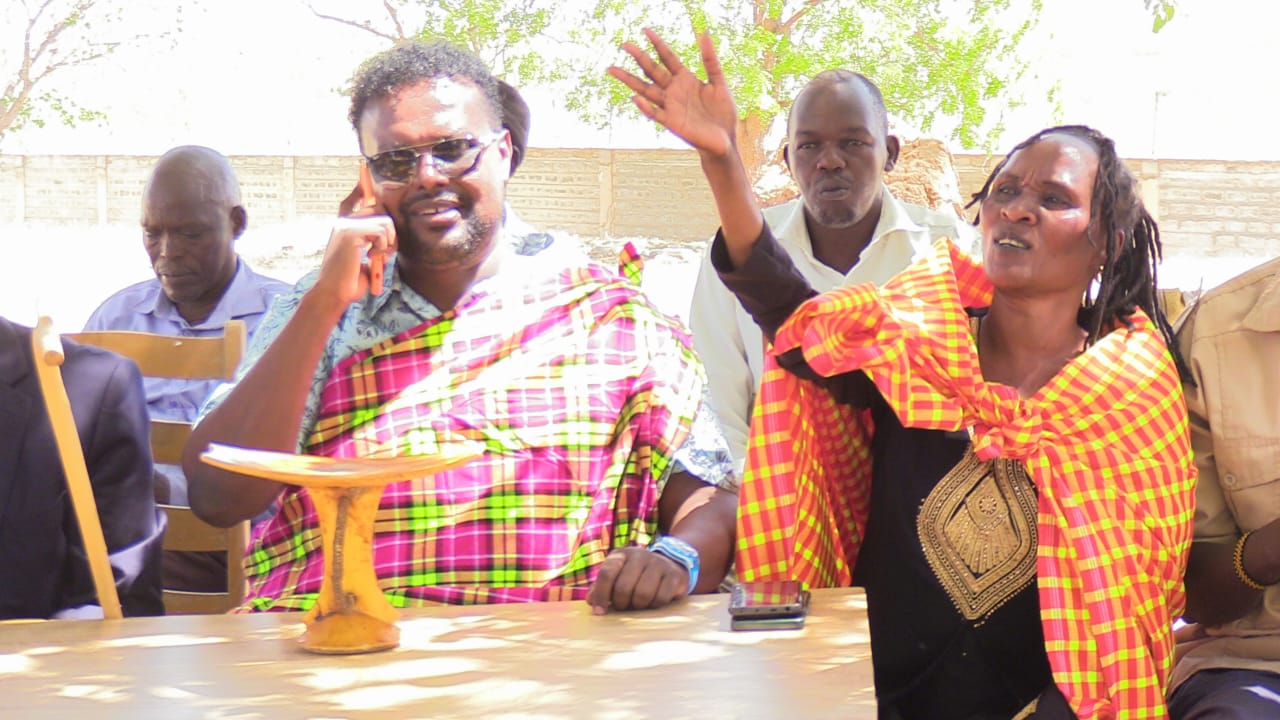
“When the hospital informs them that they need the Anti-D injection, they come running to the chief’s office looking for help,” Kimani says. “Most of the husbands are jobless, and raising the money for the injection is extremely difficult for families in the interior villages of Nyandarua. The only option we have sometimes is to organize a mini harambee to save the mother and the unborn child.”
One such case involved Martha Muthoni from Ndemi Village, who turned to the chief for help after she and her husband were told by a hospital that she needed the Anti-D injection during pregnancy.
The couple had never heard about rhesus blood groups or the possibility of a mismatch between mother and baby. With no money to pay for the injection, the chief organized a small community fundraiser that enabled her to receive the treatment.
Muthoni now wants the government to roll out nationwide awareness campaigns and offer free blood group testing so that people can know their status early. She says many couples marry without knowing their blood groups and only learn about rhesus incompatibility when the woman is already pregnant, forcing them to search for money urgently.
Health experts explain that rhesus incompatibility occurs when a pregnant woman with a rhesus negative blood type carries a baby whose blood type is rhesus positive, inherited from the father.
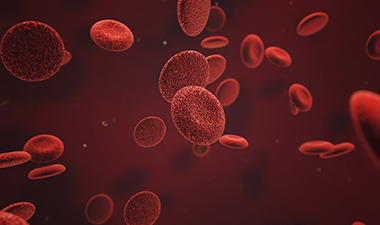
When the baby’s blood mixes with the mother’s bloodstream, her body can produce antibodies that attack the baby’s red blood cells, potentially leading to serious complications such as anemia, miscarriage or stillbirth. The Anti-D immunoglobulin injection prevents the mother’s body from forming these harmful antibodies and protects both the current and future pregnancies.
Chief Kimani is now appealing to the government to consider such cases as medical emergencies and ensure the Anti-D injection is available in public hospitals even for families who cannot immediately afford it. He also urges the government to promote blood group awareness, noting that many residents in rural villages have never bothered to know their blood type until faced with a medical emergency.
“In the villages, the first office people run to when they have a problem is the chief’s office,” he says. “Whether the chief understands the health matter or not, people expect help. That is why the government should step in so that no mother or child is put at risk because they cannot afford this injection.”