

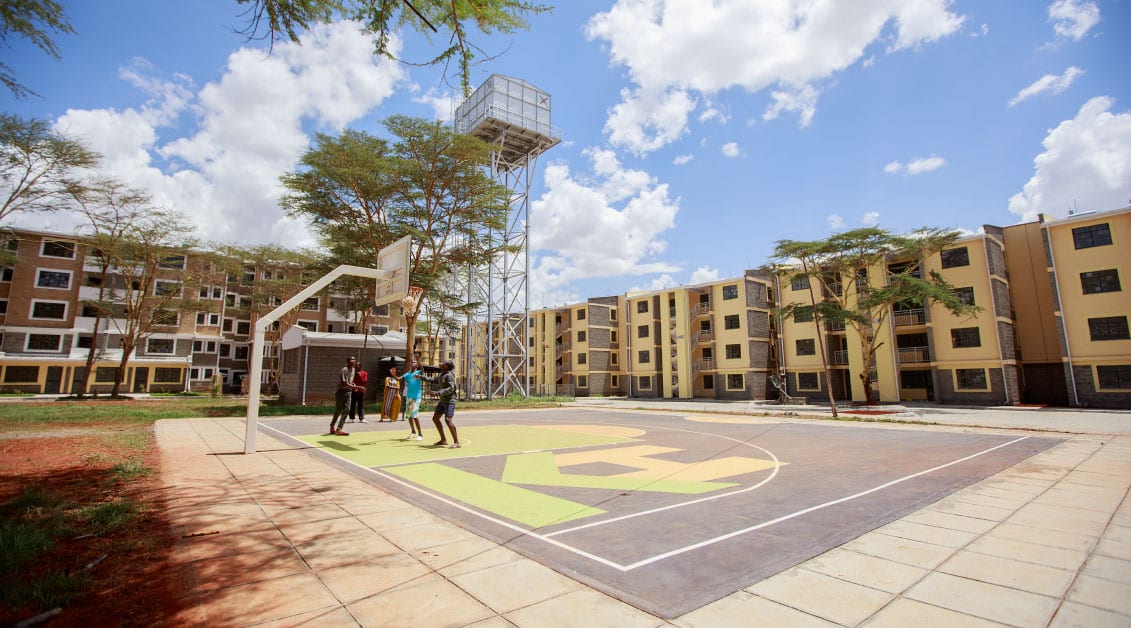
Hundreds of homeowners at Karibu Homes in Mavoko are facing an uncertain future after being ordered to vacate apartments that have been declared structurally unsafe, despite many still servicing long-term mortgage loans.
For several families, what was once a dream of homeownership has turned into a financial and emotional crisis.
Residents say they continue to make monthly mortgage payments on apartments they can no longer safely occupy, leaving them trapped between debt obligations and the risk of homelessness.
The affected homeowners invested their savings and committed to mortgage agreements believing they were purchasing secure and affordable housing.
However, growing structural concerns, including visible cracks and signs of deterioration in some buildings, have raised alarm among authorities and housing experts.
Following inspections, several apartment blocks were reportedly condemned, prompting notices requiring residents to vacate the premises.
The move has left many families scrambling for alternative accommodation while still meeting mortgage repayments and other household expenses.
Homeowners argue that they are victims of circumstances beyond their control. Many say they purchased the units in good faith and are now being forced to shoulder the burden of a problem they neither created nor anticipated.
“We are paying for homes we cannot live in,” lamented one resident, expressing a frustration shared by many affected families.
The crisis has sparked questions about accountability in Kenya’s housing sector. Residents are demanding answers from developers, financiers, regulators and other stakeholders involved in the project.
They want assurances that those responsible for the construction and approval of the buildings will be held accountable.
Consumer rights advocates have also raised concerns about the welfare of the affected homeowners, noting that many families are now facing double financial pressure paying mortgages while also renting elsewhere.
As the eviction deadline approaches, uncertainty continues to hang over the estate. Some residents fear losing both their homes and the money they have invested over the years, while others worry about the long legal battles that could follow.
The unfolding situation has reignited debate about housing quality standards, regulatory oversight and consumer protection within Kenya’s real estate industry.
For the affected families, however, the immediate concern remains finding a solution that protects both their safety and their financial future.
For now, Karibu Homes residents remain caught in a painful dilemma: continue paying for condemned apartments or risk defaulting on mortgages for homes they can no longer call their own.
READ:


