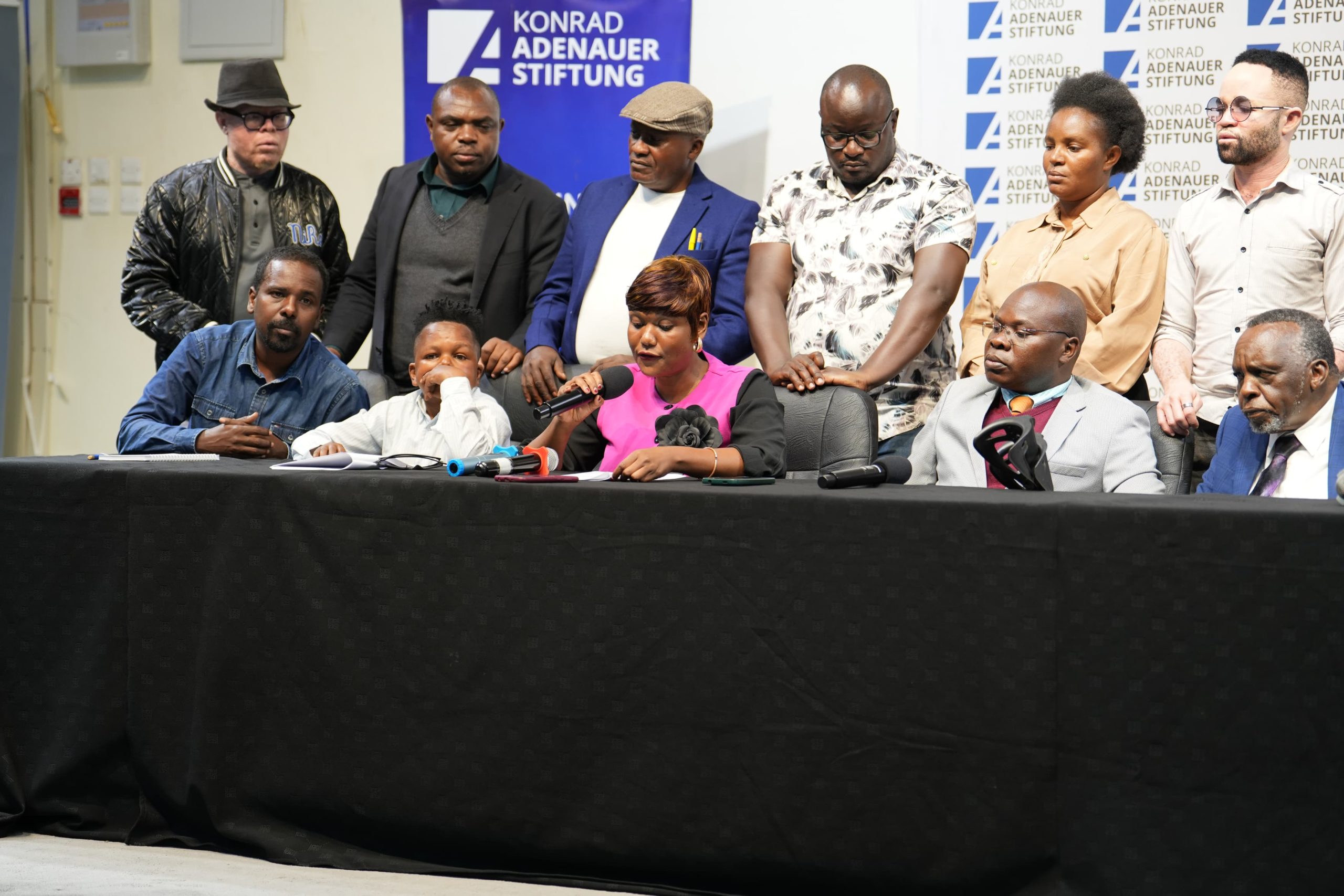
Persons with disabilities have intensified calls for full inclusion in Kenya’s political, economic and social life ahead of the 2027 General Election, unveiling a comprehensive 10 point agenda aimed at securing meaningful representation and equal participation in governance.
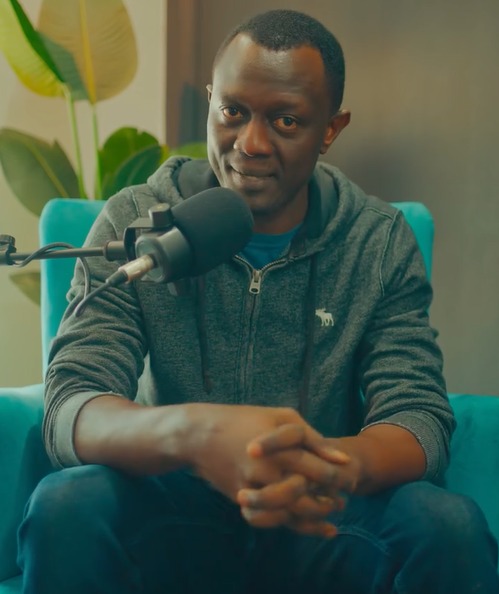
Speaking during a Persons with Disabilities Breakfast Forum in Nairobi, Joseph Atella, Executive Director of the Consortium of Disabled Persons Organizations in Kenya (CDPOK), said persons with disabilities remain among the most marginalized groups in civic and political spaces despite years of advocacy and constitutional protections.
Atella noted that inaccessible polling stations, limited civic education materials in accessible formats, communication barriers and persistent negative societal attitudes continue to lock out many persons with disabilities from participating fully in democratic processes.
According to the CDPOK Executive Director, Kenya’s 2010 Constitution provides a strong legal foundation for inclusion through Articles 27, 54, 99 and 100, which guarantee equality, non-discrimination, dignity, education, communication and political participation for persons with disabilities. He called on the government to fully implement constitutional provisions and existing disability laws, arguing that legal protections must translate into tangible opportunities for millions of Kenyans living with disabilities.
Atella further emphasized the need for greater economic empowerment, saying persons with disabilities must be actively involved in trade, entrepreneurship, employment and national development programmes to unlock their full potential and contribute meaningfully to the country’s growth.
He also urged both national and county governments to strengthen measures aimed at improving access to assistive technologies, healthcare services, social protection programmes and inclusive education systems that respond to the diverse needs of persons with disabilities.
Giving views about the enactment of the Persons with Disabilities Act, 2025, Atella described the legislation as a major milestone in advancing disability rights and called for the urgent development of regulations to facilitate its full implementation. He further urged Kenya to accelerate the implementation of regional and international disability rights commitments aimed at protecting and advancing the rights of persons with disabilities across Africa.
The forum also had a series of proposals on what disability leaders described as minimum demands that should be addressed before the 2027 elections.
Speaking during the forum, Hon. Bridgit Songok, the Nominated MCA representing Persons with Disabilities in Nandi County, called for the appointment of more persons with disabilities to senior government positions, including Cabinet Secretaries, Principal Secretaries, Ambassadors and other key leadership roles.
Songok argued that representation at the highest levels of government remains disproportionately low, noting that since independence no person with a disability has ever been appointed to serve as a Cabinet Secretary despite the community’s significant contribution to national development.
The MCA also emphasized the need for comprehensive and up-to-date disability data collection, saying accurate statistics are critical for effective planning, budgeting and service delivery for persons with disabilities.
On employment, Songok called for the full enforcement of the constitutional requirement reserving at least five percent of opportunities in public institutions for persons with disabilities, describing employment as a key pathway to economic independence and dignity.
She further urged the government to expand access to affirmative action funds and targeted business support programmes to help entrepreneurs with disabilities overcome financial barriers and build sustainable enterprises.
Addressing the challenges faced by families, Songok advocated for enhanced support for parents and caregivers of children with disabilities, including tax incentives and social protection measures that recognize the additional responsibilities often carried by families.
On political representation, she proposed a structured framework that would guarantee disability representation at both national and county levels, including dedicated positions in county assemblies, Parliament and the Executive.
At the county level, Songok called for every county government to appoint at least one County Executive Committee Member and a dedicated director responsible for coordinating disability programmes and services.
The Nandi MCA also highlighted the need for increased funding for disability sports, noting that many athletes continue to face challenges related to training, equipment acquisition and participation in international competitions despite consistently delivering outstanding performances.
She further called for the reinstatement of the Disability Inclusion Coordinating Committee to strengthen coordination between electoral agencies and disability stakeholders ahead of future elections. Additionally, urging lawmakers to amend electoral and political party laws to clearly define how persons with disabilities should be included in electoral processes, party structures and leadership positions.
The leaders also demanded formal recognition of disability caucuses within political parties, arguing that such recognition would ensure persons with disabilities have a direct voice in party decision-making and candidate nomination processes.
Dr. Samuel Kabue, veteran disability rights advocate and former member of the United Nations Committee on the Rights of Persons with Disabilities, said Kenya possesses one of the strongest disability rights legal frameworks on the continent but continues to face significant implementation challenges.
Kabue observed that disability advocacy in Kenya has evolved significantly over the years, moving away from a charity-based approach towards a human rights model that recognizes persons with disabilities as rights holders rather than beneficiaries of goodwill.
He described the meeting as an important intergenerational platform bringing together seasoned disability rights champions and emerging young leaders to strengthen the movement’s collective voice ahead of the next electoral cycle.
Constitutionally, disability inclusion in political processes is firmly grounded in both domestic and international law, including the Constitution of Kenya, the Persons with Disabilities Act, national disability policies and the United Nations Convention on the Rights of Persons with Disabilities.
The former UN committee member reiterated calls for the Independent Electoral and Boundaries Commission (IEBC) to reinstate the Disability Inclusion Coordinating Committee to oversee civic education, accessibility measures and participation of persons with disabilities throughout the electoral process.
Kabue also challenged political parties to strengthen engagement with disability members and formally recognize disability caucuses within their structures to ensure the concerns of persons with disabilities are reflected in party policies and nomination processes.
Expressing concern over continued underrepresentation, he noted that more than 20 counties failed to nominate disability representatives in previous elections, consequently calling for legal reforms to guarantee minimum representation thresholds for persons with disabilities in Parliament and county assemblies, similar to the model currently used in the Senate.
Kabue further urged election stakeholders to prioritize accessibility in voter registration, political campaigns, election materials, polling stations and leadership opportunities, arguing that democracy cannot be truly inclusive when barriers continue to exclude a significant segment of the population.
The disability rights leaders announced plans to intensify engagement with the IEBC, the Office of the Registrar of Political Parties, political parties and other stakeholders as part of preparations for the 2027 General Elections.