The Group of Seven (G7) has issued a fresh warning over China’s increasingly assertive activities around Taiwan, raising concerns about regional stability and the safety of international shipping.
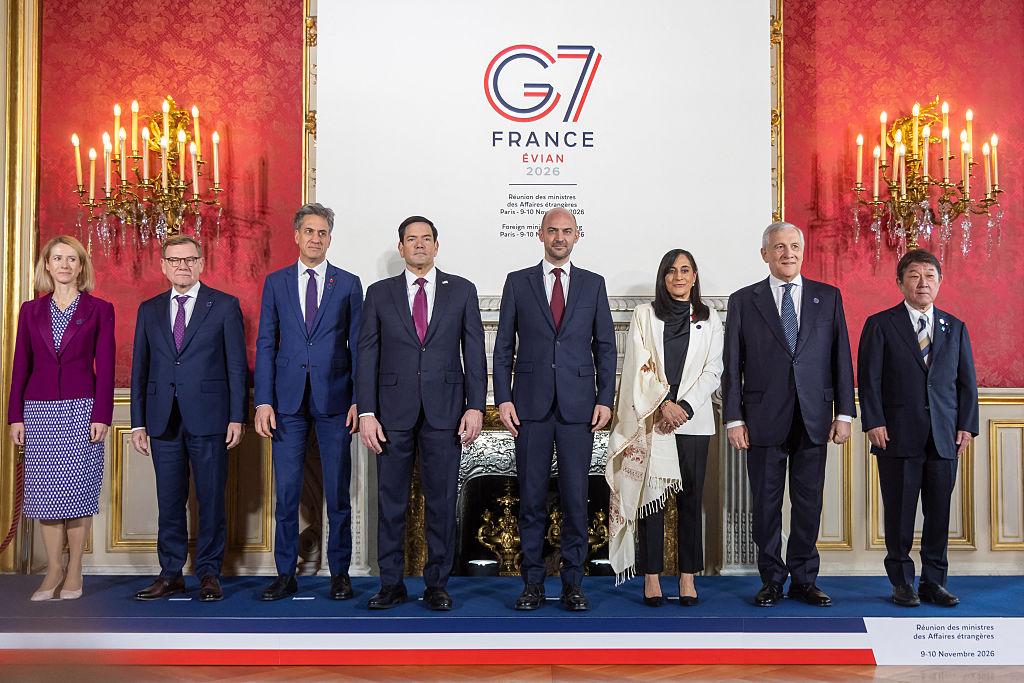
In a joint declaration released on November 11 following a meeting of foreign ministers in Paris, the G7 said China’s activities in waters east of Taiwan threatened regional stability, freedom of navigation and the security of international shipping.
The declaration was issued by foreign ministers from Canada, France, Germany, Italy, Japan, the United Kingdom and the United States, alongside the European Union’s High Representative.
The group reaffirmed its opposition to unilateral attempts to change the status quo in the Taiwan Strait, particularly through the use of force, coercion or threats.
It also called for disagreements between China and Taiwan to be resolved peacefully through constructive dialogue.
Why Taiwan Is at the Centre of Global Tensions
China regards Taiwan as part of its territory and has repeatedly stated that it wants reunification with the island, which has its own democratically elected government and operates independently of Beijing.
Taiwan rejects China’s sovereignty claims and maintains that its future should be determined by its people.
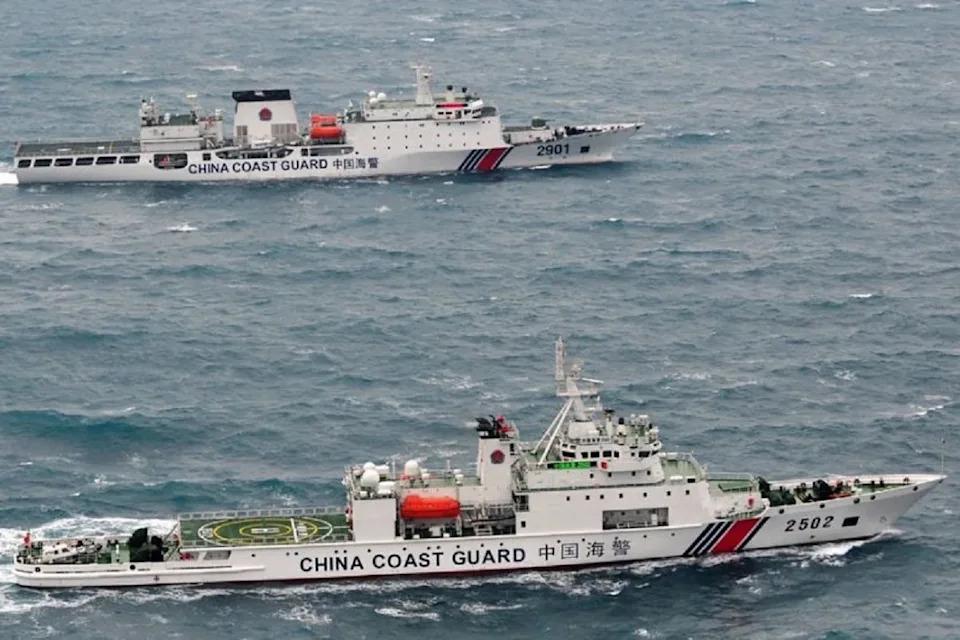
Tensions have increased in recent months as Chinese coast guard patrols and other maritime activities around Taiwan have intensified.
Taiwanese officials have expressed concern that the activities could be part of preparations for a potential maritime blockade, which would threaten the island’s access to international trade and supplies.
China has not ruled out the use of force to achieve reunification, although it continues to say that peaceful reunification remains its preferred option.
G7 Raises Concerns Over International Shipping
One of the most significant aspects of the G7 declaration is its emphasis on maritime security and the protection of international supply chains.
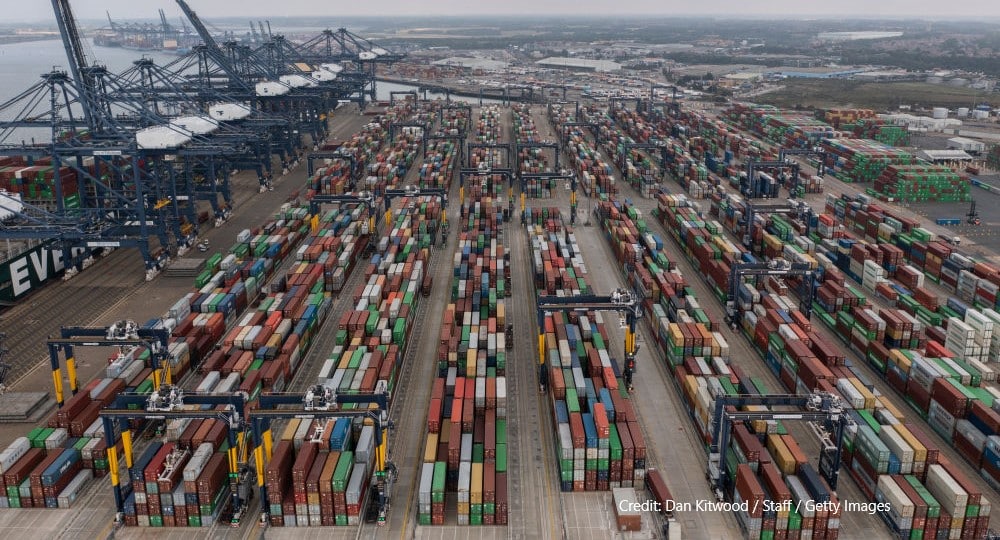
The Taiwan Strait and surrounding waters are important routes for international commerce, connecting major manufacturing economies with markets across the world.
Any military confrontation or prolonged disruption in the region could affect the movement of goods, energy supplies and manufactured products.
The G7 warned that threats to maritime security could have consequences extending beyond Asia, particularly for economies dependent on international shipping.
The foreign ministers also emphasised the importance of protecting critical undersea infrastructure, including telecommunications cables and energy connections.
The declaration further called for stronger international cooperation to protect ports and shipping routes against security threats.
China-Taiwan Tensions and the Global Economy
A prolonged crisis around Taiwan could have serious consequences for the global economy.
Taiwan plays a crucial role in the semiconductor industry, producing advanced chips used in smartphones, computers, vehicles, artificial intelligence systems and other technologies.
A major disruption to production or shipping routes could therefore affect manufacturers and consumers worldwide.
Countries in Africa could also feel the effects through higher import costs, supply-chain disruptions and delays in obtaining electronic equipment and other manufactured goods.
For countries such as Kenya, which depend on international trade for a wide range of consumer products and industrial inputs, instability along major Asian shipping routes could create additional economic pressures.
However, the actual impact would depend on the scale and duration of any disruption.
China Rejects Outside Interference
Beijing has consistently rejected what it considers foreign interference in the Taiwan question, maintaining that Taiwan is an internal matter.
The G7 statement comes amid wider international concerns about growing military competition in the Indo-Pacific region.
China has expanded its military and maritime activities, while the United States and several of its allies have continued to emphasise freedom of navigation and regional security.
The latest declaration reflects growing concern among major industrialised economies that tensions around Taiwan could escalate into a wider international crisis.
For now, the G7 is calling for restraint and peaceful dialogue.
But with China maintaining its position on reunification and Taiwan insisting on its right to determine its future, the Taiwan Strait remains one of the world’s most sensitive geopolitical flashpoints.
READ MORE: Russia and Ukraine Agree to Major Prisoner Swap as US Pushes for Peace