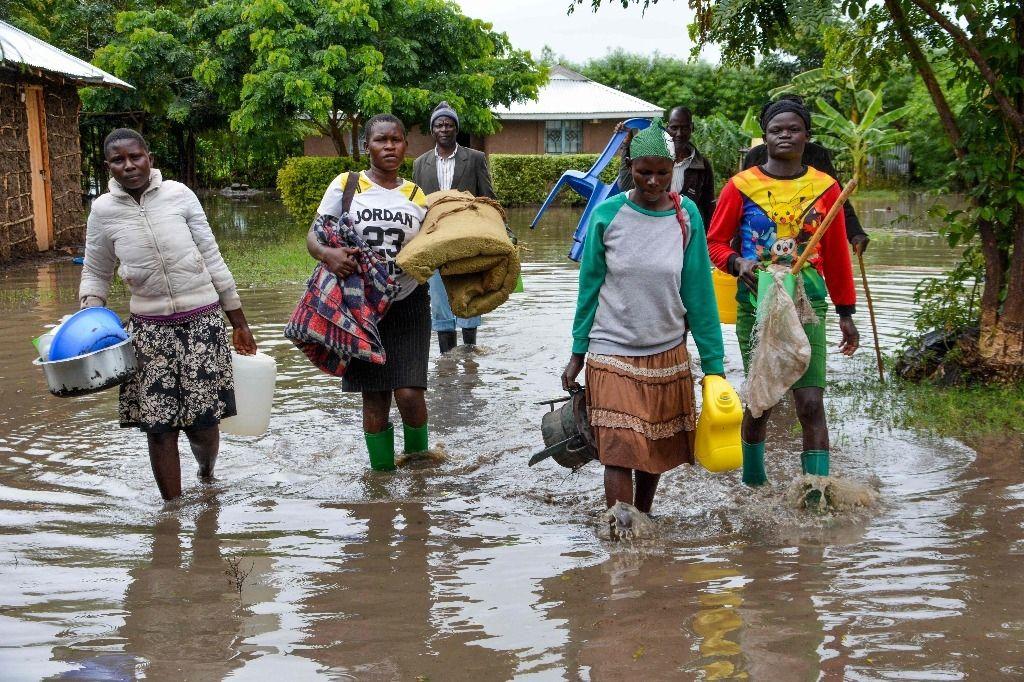
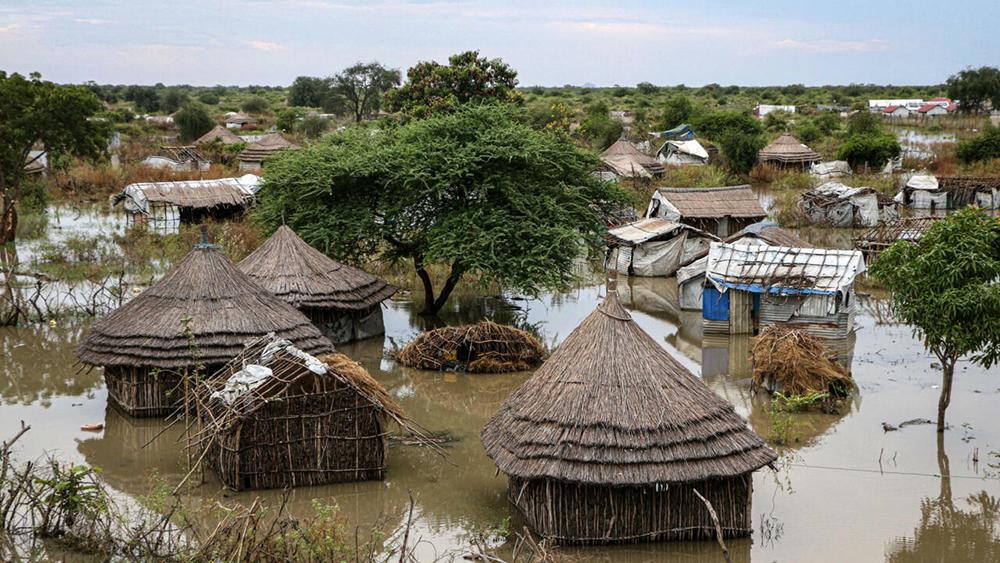
Nearly 30 million internal displacements were recorded worldwide in 2025 following storms, floods and other weather-related disasters, highlighting the growing human cost of climate change.
The figures were highlighted by the International Organization for Migration (IOM) during the ongoing United Nations Climate Change Conference, COP31, in Antalya, Turkey, where world leaders and climate experts are discussing ways to strengthen global responses to the climate crisis.
IOM Director General Amy Pope warned that millions of people face increasing risks of losing their homes as extreme weather events become more destructive, particularly in vulnerable communities.
She called for greater investment in climate adaptation, arguing that governments and development partners must move beyond emergency responses and invest in measures that protect communities before disasters strike.
The warning comes as countries gather for COP31, which opened on November 9 against the backdrop of devastating floods, heatwaves and other extreme weather events across different parts of the world.
Climate Financing Gap Threatens Vulnerable Countries
One of the central issues emerging from the discussions is the growing gap between the financial resources required to help vulnerable countries adapt to climate change and the funding currently available.
According to the IOM, developing countries could require up to $365 billion annually by 2035 to finance climate adaptation.
However, international public adaptation funding stood at approximately $26 billion in 2023, highlighting the scale of the financing challenge.
The organisation argues that inadequate investment in resilient infrastructure, early warning systems, disaster preparedness and climate-smart livelihoods leaves millions of people exposed to repeated displacement.
Communities affected by floods, droughts and storms are often forced to relocate, lose their livelihoods and struggle to rebuild their lives.
Africa Faces Growing Climate Displacement Risks
Africa remains particularly vulnerable to climate-related disasters despite contributing a relatively small share of historical global greenhouse gas emissions.
The United Nations High Commissioner for Refugees (UNHCR) warned ahead of COP31 that nearly 90 million forcibly displaced people worldwide were living in countries facing high to extreme exposure to climate-related hazards.
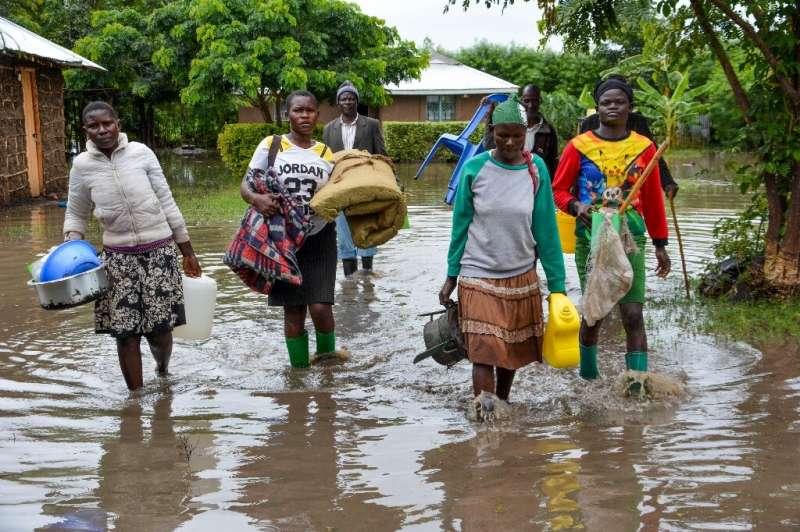
The agency also highlighted the risks facing East Africa, warning that severe flooding associated with a very strong El Niño could displace between 770,000 and three million people across Somalia, Kenya, South Sudan and Uganda by the end of 2026, depending on how conditions develop.
The warning is particularly significant for communities already struggling with the consequences of previous droughts, floods and conflict.
In Kenya, recurrent flooding has affected households, damaged infrastructure, disrupted livelihoods and forced families to seek shelter elsewhere.
For pastoralist communities, changing rainfall patterns and prolonged droughts also threaten livestock, water supplies and food security.
COP31 Calls for Action Beyond Emergency Relief
The climate conference is expected to focus on implementing existing commitments, accelerating the transition towards renewable energy and strengthening the resilience of communities exposed to extreme weather.
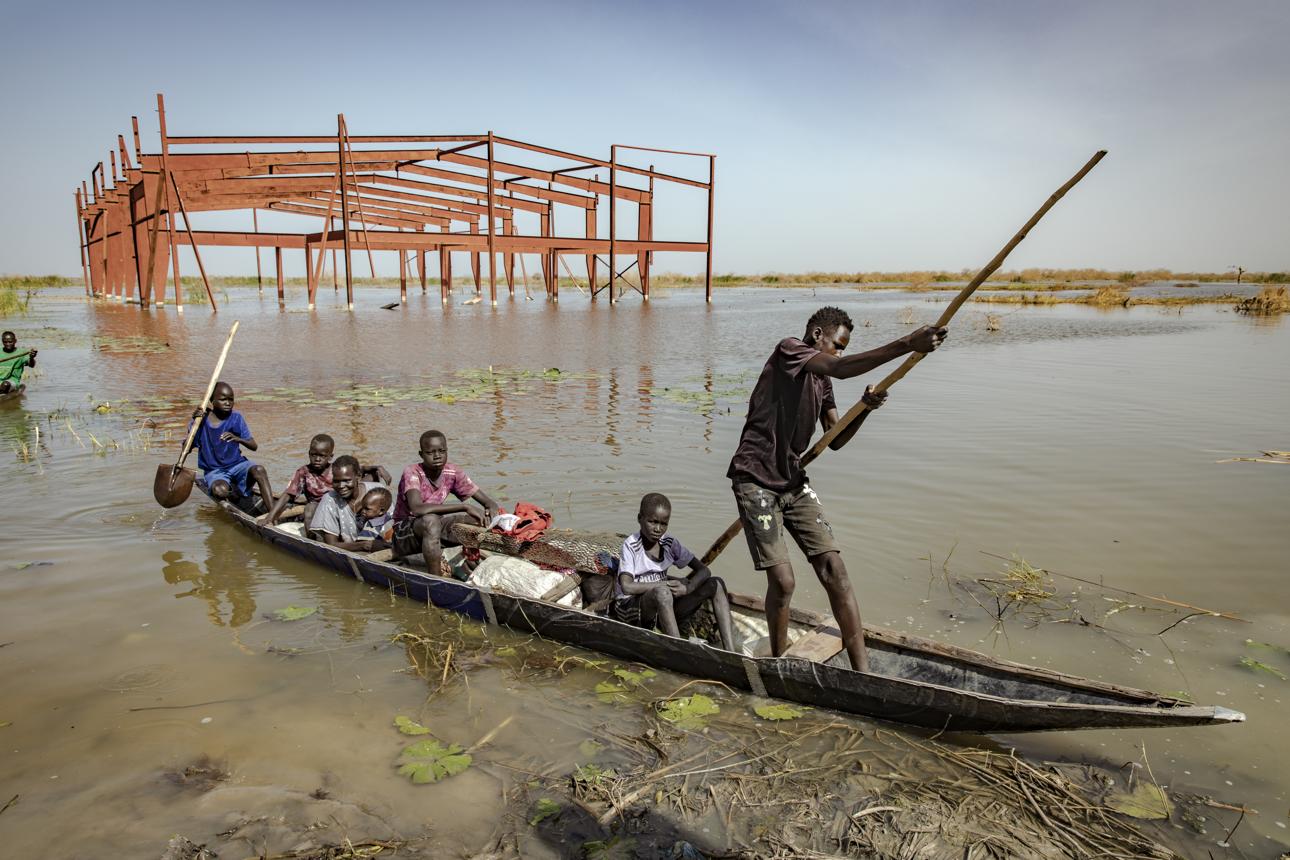
A major point of disagreement remains climate financing, with developing countries insisting that wealthier nations must provide adequate resources to help them adapt to climate change.
Countries vulnerable to climate disasters argue that emergency humanitarian assistance alone cannot address the scale of the crisis.
Instead, they are calling for long-term investments in flood protection, resilient housing, water infrastructure, agricultural adaptation and early warning systems.
The discussions also come amid growing concerns that the world is likely to exceed the 1.5°C warming threshold established under the Paris Agreement.
UN climate officials have urged countries to accelerate the transition away from fossil fuels and reduce methane emissions.
The Challenge for Developing Countries
For developing nations, the consequences of climate change extend beyond environmental damage.
Displacement can disrupt education, healthcare, employment and access to essential services, while repeated disasters can push already vulnerable households deeper into poverty.
The latest warnings have renewed calls for climate financing to reach communities most exposed to extreme weather, rather than remaining concentrated in countries and institutions with greater access to resources.
As COP31 continues in Antalya, the central question is whether governments will translate climate commitments into practical investments capable of protecting vulnerable populations.
For millions of people facing floods, droughts and other climate-related disasters, the outcome could determine whether they remain in their homes or are forced to move in search of safety.