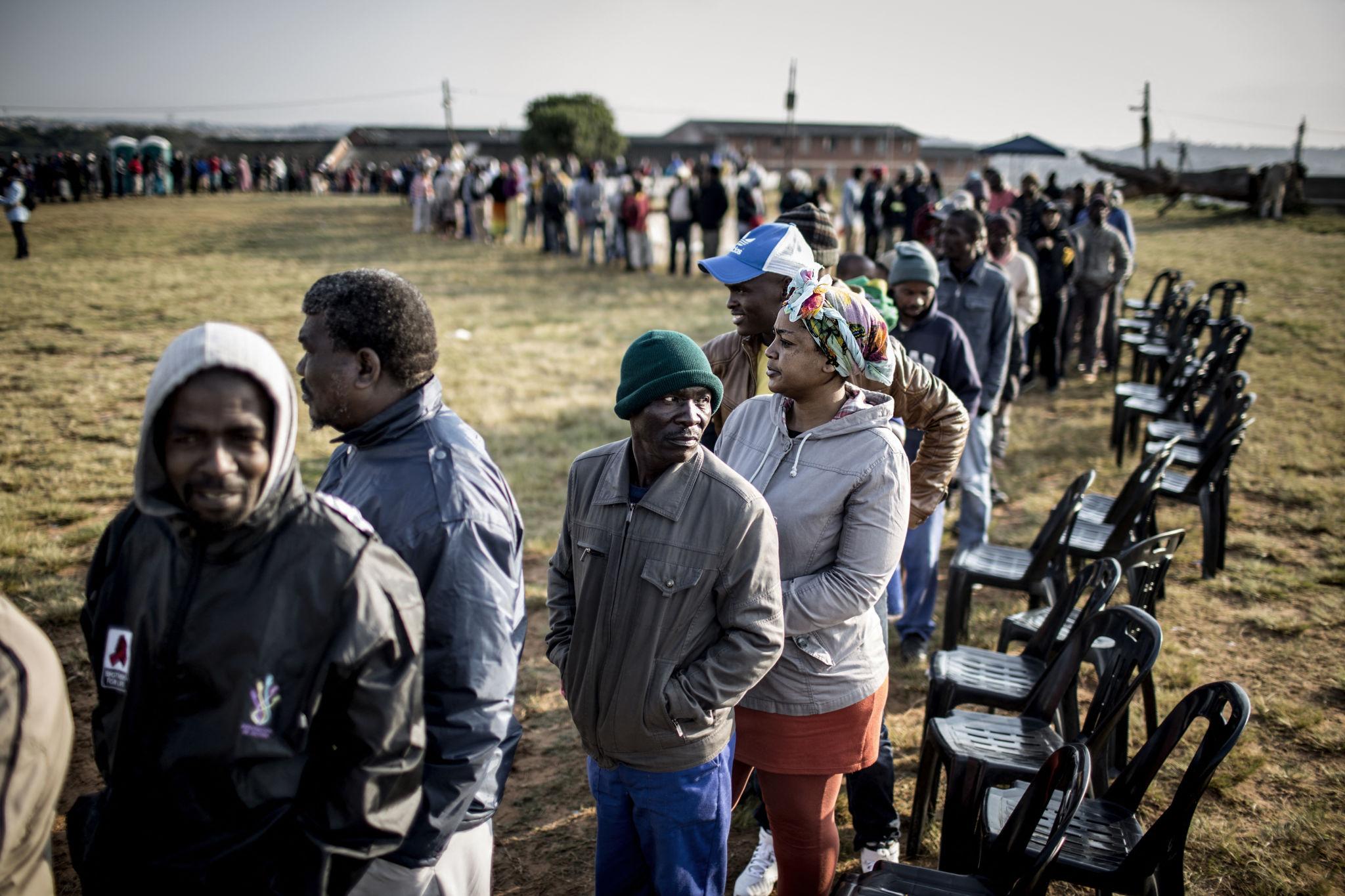
South Africans are heading to the polls in municipal elections that could further weaken the long-standing political dominance of the African National Congress (ANC), as frustration over unreliable public services, unemployment and crime shapes the campaign.
The elections, held on Wednesday, November 4, 2026, are taking place against a backdrop of growing public dissatisfaction with the performance of local authorities, particularly in major urban centres where residents have raised concerns about water shortages, electricity disruptions, poor roads, sewage leaks and uncollected rubbish.
The ANC, which led South Africa out of apartheid in 1994, is facing pressure to retain support after suffering significant electoral setbacks in recent years.
In the 2021 local government elections, the party received less than 50 per cent of the national vote for the first time.
It subsequently lost its parliamentary majority in the 2024 national elections, forcing it to form a government of national unity with former rival parties, including the Democratic Alliance (DA).
Service delivery emerges as a major election issue
For many voters, the performance of municipal governments has become a central issue in deciding which candidates deserve their support.
In Johannesburg, residents have faced persistent water and electricity interruptions, damaged roads and broken traffic lights. The city has also experienced political instability, with seven mayors serving since 2021.
Water infrastructure challenges have also affected other major metropolitan areas, including Tshwane and eThekwini, where ageing infrastructure, maintenance backlogs and water losses have placed pressure on service delivery.
Unemployment, housing shortages and crime have added to voters’ concerns, particularly among young people and households struggling with the cost of living.
The elections are therefore seen as an important test of whether voters will continue backing established political parties or turn to alternative candidates promising better management of local authorities.
ANC faces competition from opposition parties
The Democratic Alliance is seeking to strengthen its position in several municipalities, while smaller political parties are hoping to increase their representation and potentially influence coalition arrangements.
The emergence of the uMkhonto weSizwe (MK) Party, which performed strongly in the 2024 national elections, is another factor shaping the contest, particularly in KwaZulu-Natal.
With no single party expected to dominate every major urban council, coalition negotiations could become central to determining who governs some municipalities.
The outcome in Johannesburg is particularly significant because of the city’s political and economic importance.
The results, expected on Sunday, November 8, will offer a clearer picture of the political direction of South Africa’s municipalities and could influence preparations for the 2029 national elections.