North Korean leader Kim Jong Un has called for an expansion of the country’s nuclear weapons programme, insisting that Pyongyang will never abandon its nuclear arsenal despite continued international pressure to denuclearise.
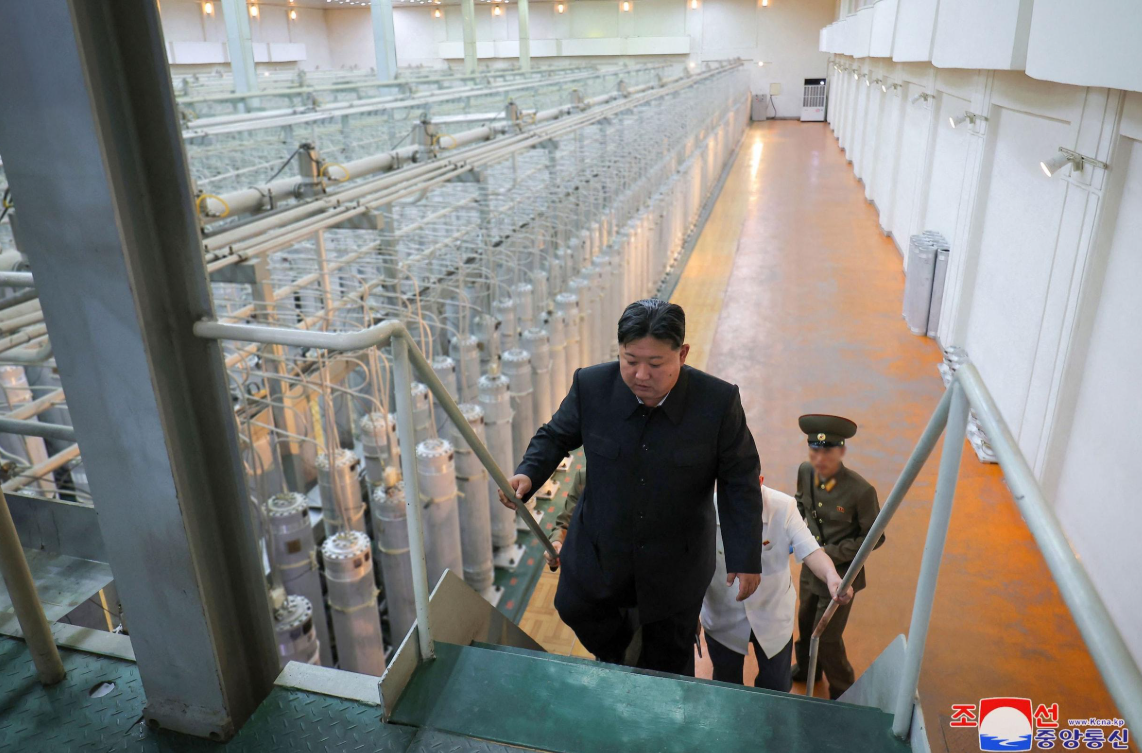
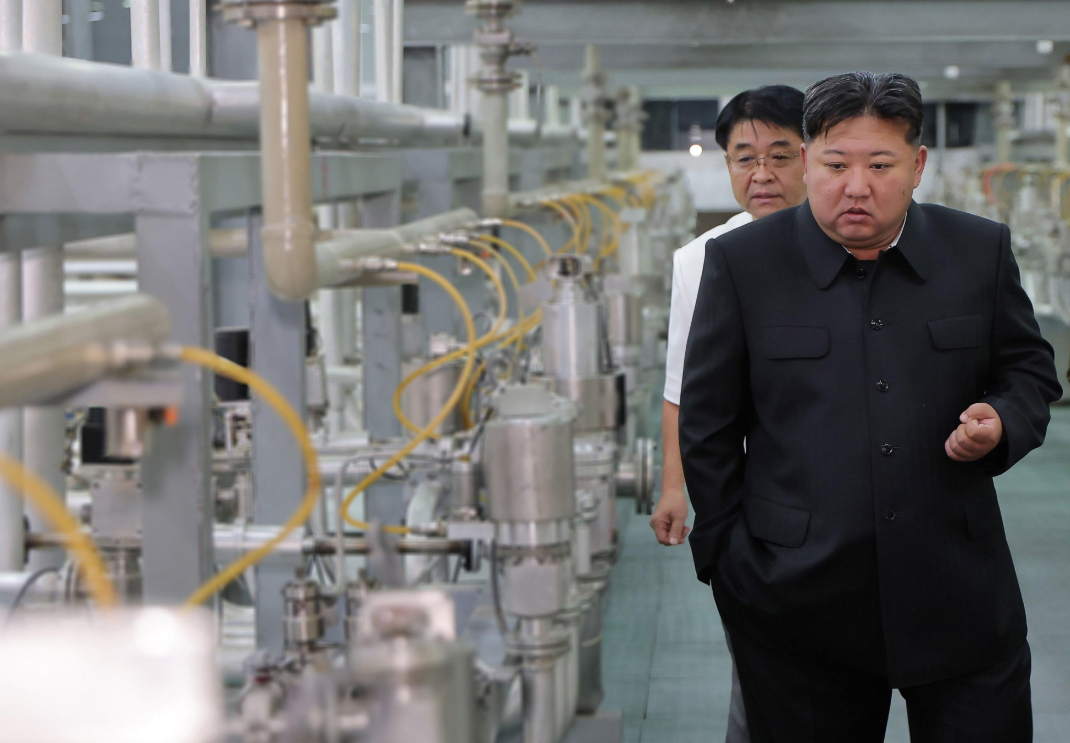
Kim made the remarks during a visit to nuclear material production facilities and a research institute on Wednesday, November 25, according to North Korea’s state-run Korean Central News Agency (KCNA), which published details of the inspection on Thursday.
During the visit, Kim called for increased production of nuclear materials and wider deployment of tactical nuclear weapons across different military operations.
He described the expansion of the country’s nuclear production capacity as an important priority, arguing that North Korea needed to strengthen its ability to respond to what it considers growing security threats.
“Our nuclear capability has now become a reality,” Kim said, according to KCNA, adding that attempts to deny the country’s nuclear status would amount to an infringement on its sovereignty.
The North Korean leader also warned that efforts to force Pyongyang to abandon its nuclear status would be regarded as a declaration of war.
North Korea wants wider deployment of tactical nuclear weapons
Kim specifically called for the military to focus on deploying tactical nuclear weapons across multiple domains.
Unlike strategic nuclear weapons, which are generally designed to threaten large targets and deter attacks against a country, tactical nuclear weapons are intended for battlefield or regional military objectives.
Their potential use in a conflict involving the Korean Peninsula has raised concerns because of the proximity of major population centres in both North and South Korea.
Kim argued that expanding these capabilities was necessary to strengthen North Korea’s military deterrence.
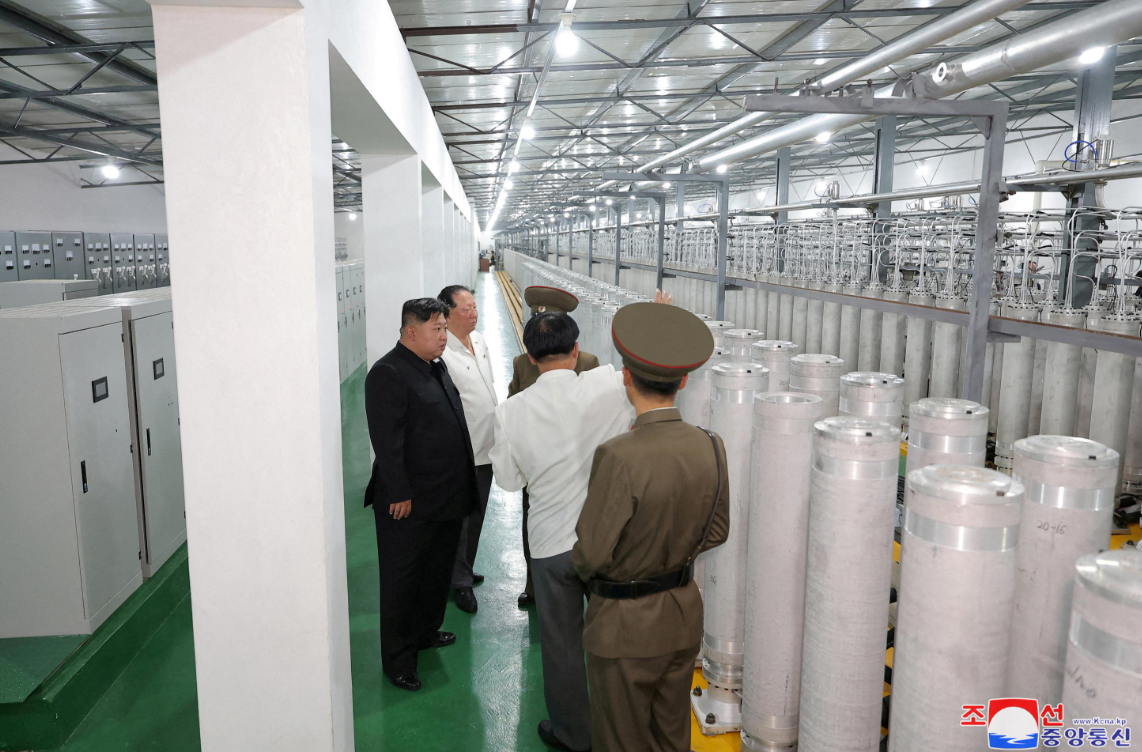
KCNA also reported that he reviewed progress in nuclear material production, although the government did not disclose the locations of the facilities he visited.
Images released by North Korean state media appeared to show nuclear production equipment, including what analysts identified as uranium-enrichment centrifuges.
The inspection is another indication of Pyongyang’s determination to expand its nuclear capabilities rather than scale them back.
Kim rejects pressure to give up nuclear weapons
Kim reiterated that North Korea’s status as a nuclear-armed state was irreversible and would not change because of demands from other countries.
The position reflects Pyongyang’s long-standing rejection of international calls to abandon its nuclear weapons programme.
North Korea has conducted six nuclear tests since 2006, with the most recent taking place in September 2017.
Its nuclear programme has remained a major source of tension with the United States, South Korea and Japan, which view the country’s weapons development as a serious security threat.
The United Nations Security Council has also imposed sanctions on North Korea over its nuclear and ballistic missile programmes.
According to a Congressional Research Service assessment published in October 2026, North Korea continues expanding its capacity to produce weapons-grade nuclear material, including highly enriched uranium and plutonium.
United States and South Korea raise security concerns
Kim’s latest remarks come amid continuing tensions between Pyongyang, Washington and Seoul.
North Korea has accused the United States of strengthening nuclear military cooperation with its regional allies, arguing that such arrangements justify the expansion of its own nuclear capabilities.
South Korea has rejected the justification for North Korea’s weapons development and maintains that Pyongyang must comply with United Nations Security Council resolutions.
Seoul has also reaffirmed its security cooperation with Washington, including arrangements intended to strengthen deterrence against a possible North Korean nuclear attack.
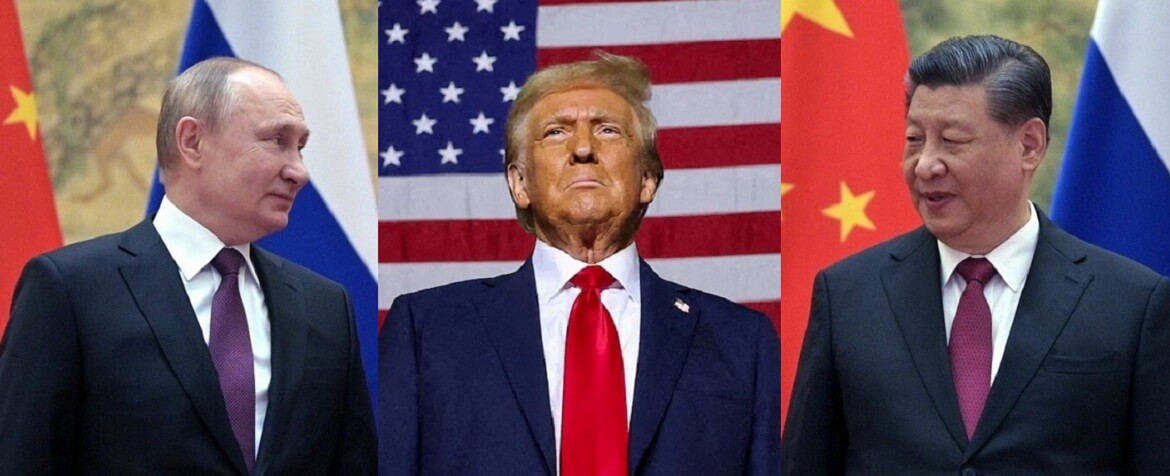
The latest inspection also comes after a much-anticipated meeting between US President Donald Trump and Kim failed to materialise during Trump’s recent visit to China.
Trump has previously expressed interest in restarting diplomatic engagement with the North Korean leader. However, Pyongyang has indicated that meaningful talks would require Washington to change what it describes as its hostile policy towards North Korea.
ALSO READ: Houthis Threaten Saudi Arabia’s Red Sea Ports as Yemen Conflict Escalates
What the nuclear expansion means for global security
North Korea’s continued nuclear development presents a major challenge to international efforts to prevent the spread of nuclear weapons.
An expanded arsenal and wider deployment of tactical nuclear weapons could increase military tensions on the Korean Peninsula and complicate diplomatic efforts involving Washington, Seoul, Beijing and Tokyo.
It also raises concerns about the risk of miscalculation during a military confrontation, particularly if either side believes it faces an imminent threat.
For the international community, Kim’s latest remarks reinforce the difficulty of persuading Pyongyang to abandon a weapons programme that its leadership considers central to national security and regime survival.
With North Korea insisting that its nuclear status is permanent, the challenge facing international powers is increasingly centred on preventing escalation and managing nuclear risks rather than securing an immediate return to denuclearisation negotiations.