Yemen’s Houthi movement has threatened to attack Saudi Arabia’s Red Sea ports, including the strategic port of Jeddah, in response to military action against the Yemeni port of Hodeidah, raising fresh concerns over regional security and international shipping.
In a statement on Wednesday, November 25, the Iran-aligned Houthi movement warned workers and residents around Saudi ports to evacuate and urged shipping companies to withdraw their vessels.
The threat followed a Saudi-led coalition announcement that its forces had targeted what it described as Houthi operational capabilities at Hodeidah port, while also striking targets in the northern Yemeni governorates of Saada and Amran.
The latest developments mark a further escalation in a conflict increasingly involving strategic infrastructure, airports, ports and energy facilities on both sides.
Riyadh drone attack triggers fresh military response
The latest confrontation follows a drone attack on a tower in Riyadh’s King Abdullah Financial District on Tuesday, November 24.
Saudi authorities said at least 11 people were injured in the incident, which targeted a building housing the country’s Public Investment Fund.
The Saudi-led coalition condemned the attack and promised a firm response.
Saudi air defence systems also intercepted several drones launched towards the country’s Eastern Province on Wednesday, according to Saudi military officials.
The exchanges have raised concerns that the confrontation could spread further into Saudi territory and threaten critical infrastructure.
Why Hodeidah port matters
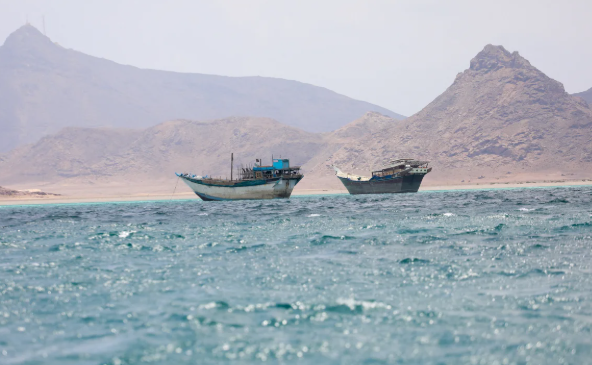
Hodeidah, located along Yemen’s Red Sea coast, is one of the country’s most important commercial and humanitarian gateways.
The port serves as a major entry point for food, fuel, medicines and humanitarian supplies destined for millions of people in Houthi-controlled northern Yemen.
Yemen remains heavily dependent on imported food and other essential commodities, making the port particularly important to the country’s humanitarian situation.
Any prolonged disruption to its operations could worsen shortages and increase the difficulties facing humanitarian organisations attempting to reach vulnerable communities.
The latest military action has therefore raised concerns beyond the immediate confrontation between the Houthis and the Saudi-led coalition.
ALSO READ: Nearly 30 Million Climate-Related Displacements Recorded in 2025 as COP31 Raises Alarm
Red Sea shipping faces renewed uncertainty
The escalation is also significant because of the Red Sea’s importance to international maritime trade.
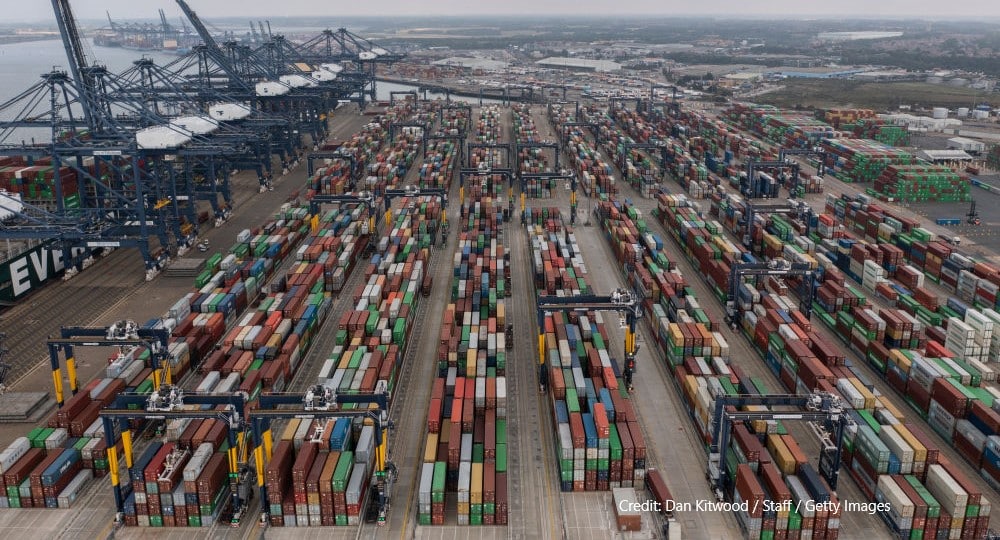
The waterway connects the Mediterranean Sea to the Indian Ocean through the Suez Canal and the Bab el-Mandeb Strait, making it a vital route for cargo vessels transporting goods between Asia, Europe and other international markets.
A further expansion of attacks against commercial ports and shipping could force vessels to change routes, increase insurance premiums and raise transportation costs.
For countries dependent on imported fuel, food and manufactured goods, prolonged disruption could have wider economic consequences.
The Bab el-Mandeb Strait is particularly important to East African countries because it lies close to the Horn of Africa and connects shipping routes serving the Red Sea and Gulf of Aden.
Kenya and other regional economies could face indirect consequences if shipping companies respond to heightened security risks by diverting vessels or increasing freight charges.
International concern over regional stability
The latest escalation comes amid wider tensions involving Iran, the United States and other Middle Eastern actors.
The Houthis have previously demonstrated their ability to threaten commercial shipping and infrastructure in the Red Sea region, raising concerns about the security of international trade routes.
The latest threat against Saudi ports introduces another dimension to the confrontation, with commercial and humanitarian infrastructure potentially caught in the conflict.
The immediate concern is whether the exchange of threats and military strikes will remain limited or develop into a wider campaign against strategic facilities.
For now, the threat to Saudi ports, the strikes at Hodeidah and the interception of drones highlight the growing risks facing the Red Sea region.
The coming days will be critical in determining whether diplomatic efforts can prevent further escalation and protect one of the world’s most important maritime corridors.