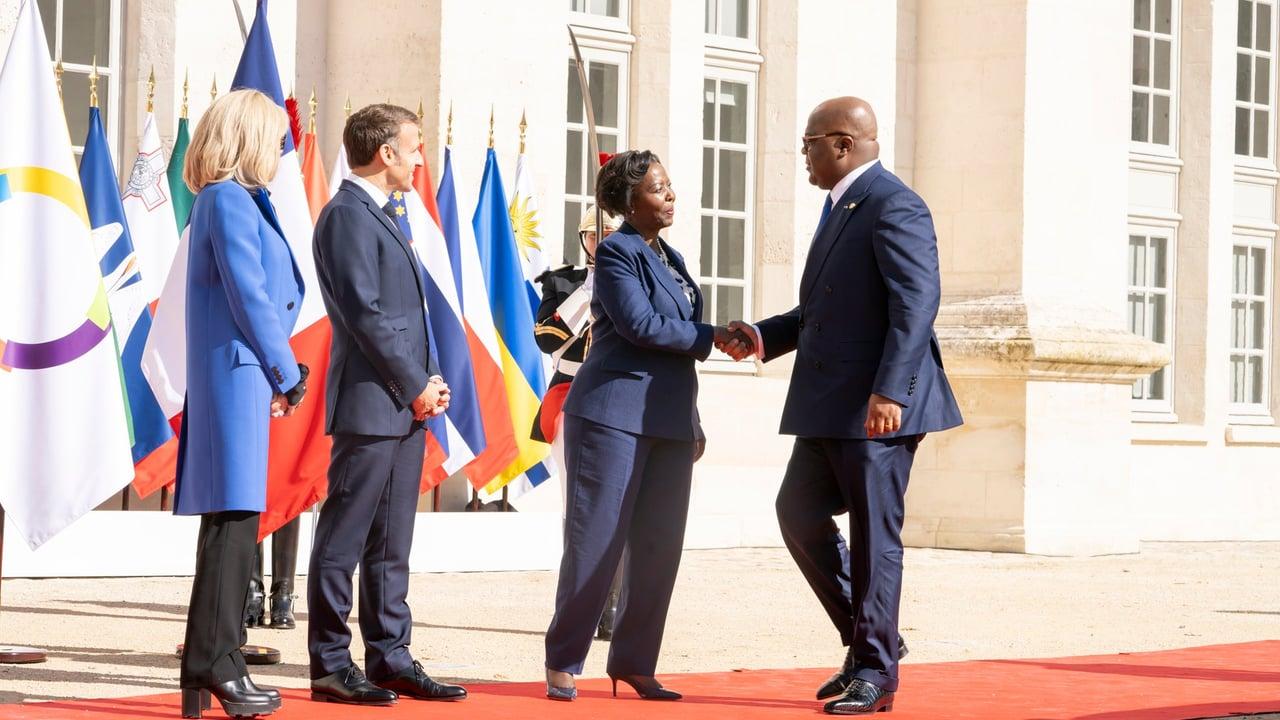
The Democratic Republic of Congo (DRC) has threatened to withdraw from the International Organisation of La Francophonie (OIF) if Rwanda’s Louise Mushikiwabo secures another term as the organisation’s secretary-general.
The dispute is expected to overshadow the 20th Francophonie Summit, which begins in Phnom Penh, Cambodia, on November 14, 2026, bringing together leaders and representatives from French-speaking countries and governments.
Mushikiwabo, who has led the organisation since 2019, is seeking a third four-year term, while the DRC is backing Juliana Lumumba, the daughter of the country’s independence leader, Patrice Lumumba.
The leadership contest has exposed deeper diplomatic divisions between Kinshasa and Kigali, whose relations have deteriorated over the conflict in eastern Congo.
Why DR Congo is opposing Rwanda’s candidate
The DRC’s opposition to Mushikiwabo’s re-election is closely linked to its long-running dispute with Rwanda over security in eastern Congo.
Kinshasa, the United States and United Nations experts have accused Rwanda of supporting the M23 armed group, which has been involved in fighting Congolese government forces in the country’s mineral-rich eastern region.
Rwanda has repeatedly denied supporting armed groups operating in the DRC.
The Congolese government has expressed dissatisfaction with what it considers insufficient action by the Francophonie leadership regarding the conflict.
The possibility of withdrawing from the organisation has therefore become part of a wider diplomatic dispute between the two neighbouring countries.
A significant loss for the Francophonie
The potential withdrawal of the DRC would represent a major setback for the organisation.
With a population exceeding 110 million people, the DRC is the most populous country in which French is an official language.
Its departure would significantly affect the Francophonie’s demographic and political influence, particularly in Africa, where French-speaking countries account for a substantial proportion of its membership.
The organisation currently comprises 90 member states and governments, including 53 full members, five associate members and 32 observers.
The leadership contest is also taking place at a time when the organisation is facing wider challenges to its influence on the African continent.
Mali, Niger and Burkina Faso announced their withdrawal from the Francophonie in March 2025 after being suspended following military coups in their respective countries.
These developments have raised questions about the organisation’s ability to maintain unity among its African members.
France faces a delicate diplomatic balancing act
The dispute also presents a diplomatic challenge for France, which has historically maintained strong political, economic and cultural ties with many French-speaking African countries.
French President Emmanuel Macron is expected to attend the summit in Cambodia, where the leadership contest and tensions between Rwanda and the DRC are likely to feature in discussions.
France has an interest in maintaining the unity and influence of the Francophonie, particularly as several African countries reassess their historical relationships with Paris.
The possibility of the DRC leaving the organisation could further complicate efforts to preserve its standing as an important platform for international cooperation.
What the dispute means for Africa
Beyond the leadership contest, the disagreement raises broader questions about African representation, diplomatic influence and the role of international organisations in addressing conflicts involving their own member states.
For the DRC, the dispute is about more than who leads the Francophonie. It also reflects dissatisfaction with how the organisation addresses regional security concerns.
For Rwanda, securing another term for Mushikiwabo would represent continuity in its diplomatic engagement with the French-speaking world.
The situation also highlights the changing nature of African diplomacy, where countries are increasingly willing to challenge established international institutions when they believe their interests are not adequately represented.
Whether the DRC follows through on its withdrawal threat will be an important test of the organisation’s ability to manage internal divisions.
The outcome of the summit could therefore have implications extending well beyond the leadership of the Francophonie, particularly for the organisation’s future relationship with Africa.
READ MORE: US Raises Alarm Over AI-Powered Cyberattacks Targeting Critical Infrastructure