Popular radio presenter and comedian Rapcha The Sayantist has ignited a fierce public debate after accusing electric mobility company SPIRO of operating what he describes as a system that resembles a Ponzi-style scheme, targeting vulnerable boda boda riders.
Through a series of posts on X (formerly Twitter), Rapcha alleged that SPIRO’s business model traps riders in unfair financial arrangements that ultimately leave them losing both money and motorcycles. He warned Kenyans to stay away from the company, claiming its practices are “exploitative” and designed to benefit the firm at the expense of riders struggling to make daily earnings.
According to Rapcha, riders are required to make daily payments after paying an initial deposit, but their electric bikes and batteries can allegedly be remotely disabled or repossessed if the motorcycles are not used for a few days. He argues that this policy ignores real-life challenges such as illness, mechanical repairs, or personal emergencies.
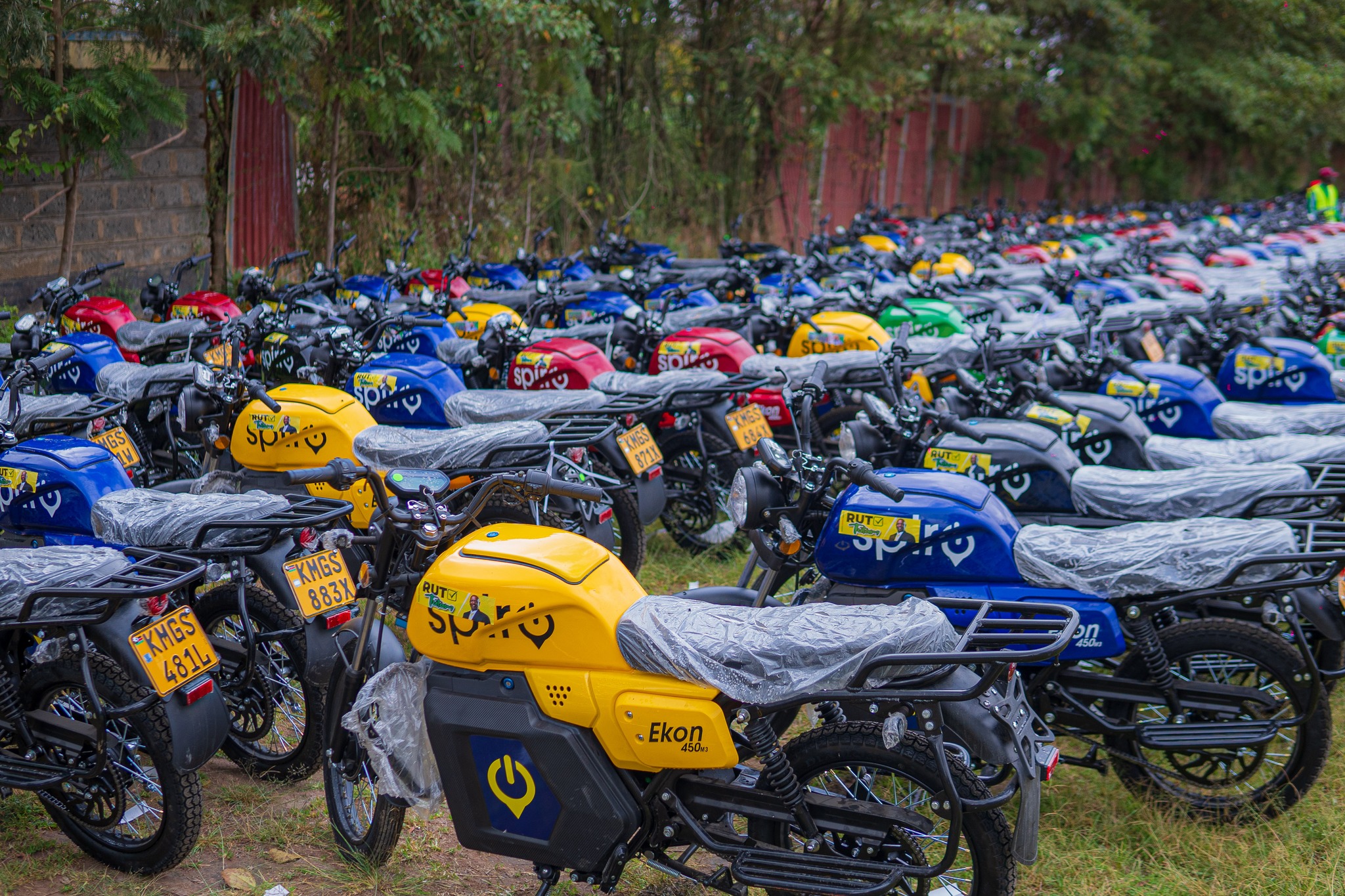
In his posts, Rapcha shared images of what he claimed were numerous repossessed bikes parked at a SPIRO station, suggesting that many riders have suffered similar losses.
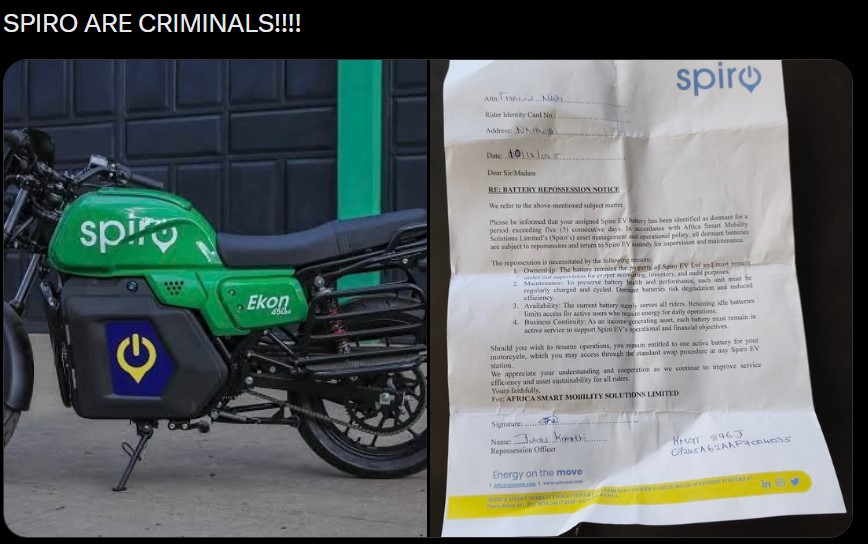
https://x.com/IAMRAPCHA/status/2002243484661489785
Rapcha further alleged that SPIRO does not issue chargers to riders, forcing them to rely entirely on the company’s battery-swap stations, while spare parts are reportedly sold at inflated prices.
He claims this creates total dependency on the company, locking riders into continuous payments with little room to recover once they fall behind.
“This thing is structured to drain riders dry,” Rapcha wrote, likening the system to a Ponzi scheme where new payments sustain the operation while riders shoulder all the risk.
While SPIRO has previously stated that its policies are meant to protect company assets and ensure operational efficiency, critics argue that the rules lack transparency and humanity.
The controversy has sparked wider calls for regulatory oversight, consumer protection, and clearer contracts within Kenya’s fast-growing electric mobility sector.
As the debate rages online, Rapcha’s allegations have amplified concerns from riders who fear innovation may be masking exploitation.