

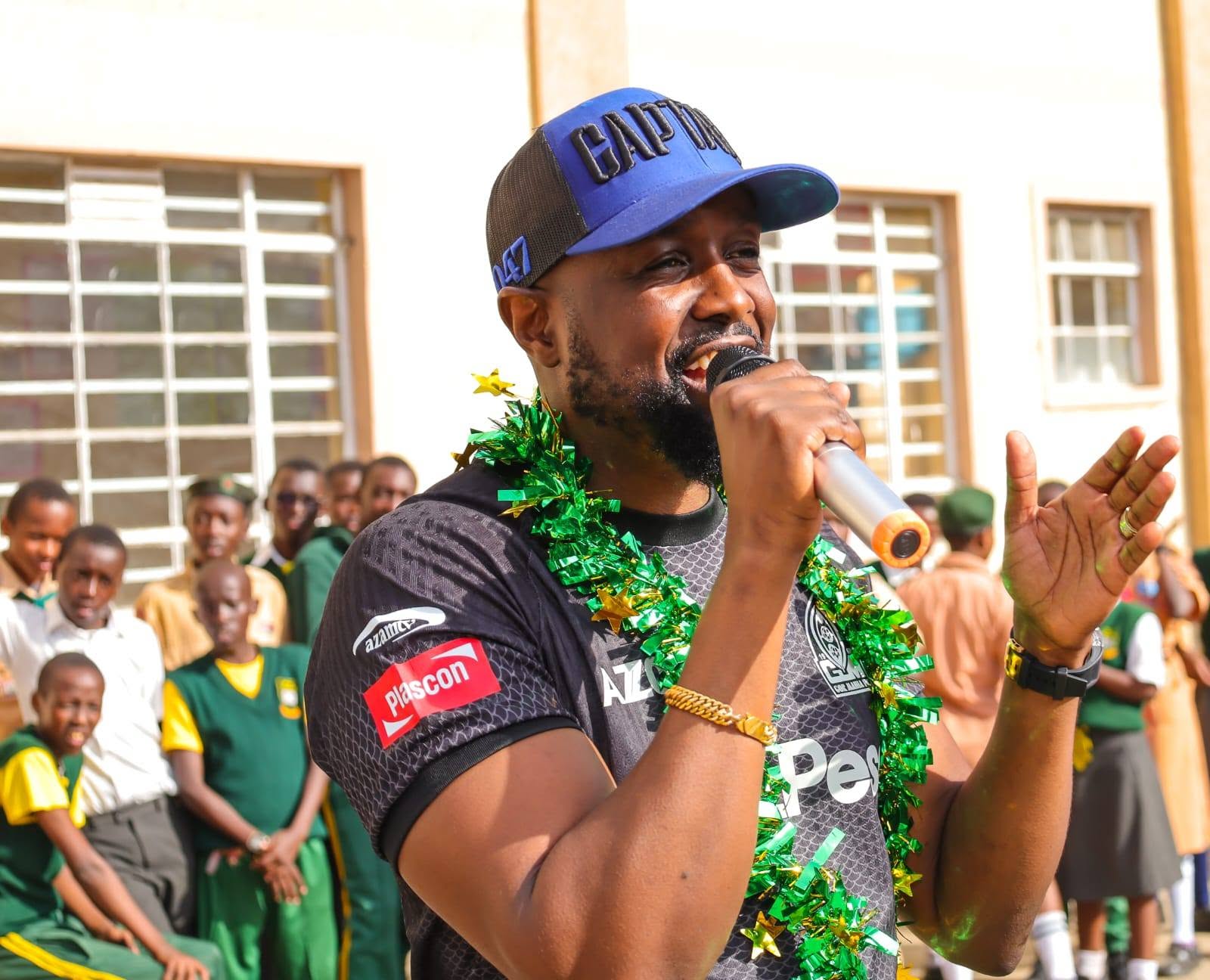
Kasarani Member of Parliament Ronald Karauri has pledged to make Nairobi’s school feeding programme free if elected governor, arguing that the cost of meals should not prevent children from accessing education.
Karauri said the programme had helped keep pupils in school but maintained that requiring parents to contribute towards meals was an unnecessary burden that his administration would seek to remove.
“The school feeding programme is actually a very good thing because I interact with schools and we see the problems that they go through,” he said in an interview.
He added that the programme had enabled children to remain in school, but argued that the meals should be provided without charge.
“We need to make it free, and that one I’ll do in my administration,” he said.
The proposal is part of Karauri’s wider education agenda as he seeks to position himself as a potential successor to Nairobi Governor Johnson Sakaja.
He argued that the county should find resources to sustain the programme by addressing wastage and strengthening accountability in public spending.
“When you have integrity and you close these loopholes where people are being found with money in their houses, you will find money to feed the students,” he said.
Karauri further argued that money which is lost or cannot be accounted for could instead support programmes that directly benefit learners.
“There’s a lot of money which is just lost, cannot be accounted for. That money can go to ensure that our children are fed,” he said.
His remarks come as education remains one of the key areas of concern for Nairobi families, particularly in densely populated neighbourhoods where public schools face pressure from growing enrolment.
ALSO READ: From Aviation to Politics: What Is Driving Karauri’s Nairobi Governor Bid?
The MP said primary schools in Nairobi were already stretched, with classrooms filling up even when additional facilities were constructed.
“Whenever I add more classrooms, they keep getting full. We can never have enough number of classrooms,” he said.
He also raised concern about the number of learners who rely on low-cost private schools, arguing that the public education system does not have enough capacity to accommodate the city’s population.
Karauri claimed that Nairobi had more private schools than public schools, including low-cost institutions that serve families who cannot afford high-end private education.
He cited what he described as 30 public primary and secondary schools, although the figure was not independently verified in the interview.
The MP also pointed to his record in Kasarani, where he said projects supported through the Constituency Development Fund had helped construct approximately 79 classrooms.
He further claimed that about 18,000 learners had benefited from bursaries, including students who had not previously received such support.
“We’ve built approximately 79 classrooms. We’ve given bursaries to the tune of, I think, 18,000 beneficiaries who had never got bursaries before,” he said.
Karauri said education had been one of the areas where his constituency had required additional support and maintained that parents in Kasarani were aware of the work undertaken through his parliamentary office.
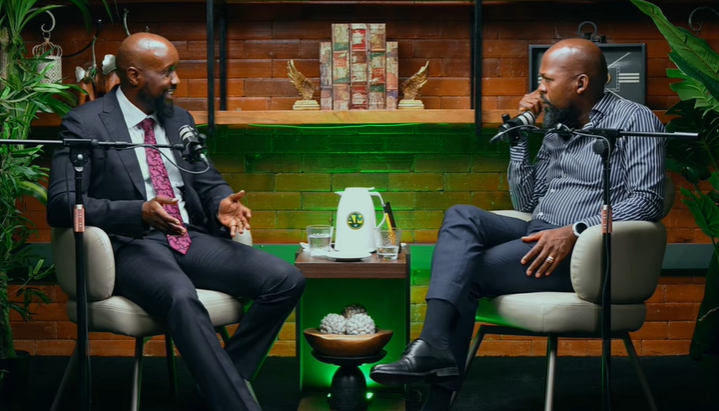
His proposed free school meals programme would, however, require a clear funding plan and coordination between the county government, schools and other relevant stakeholders.
The governor’s office does not operate the national education system, but county governments have responsibilities in areas such as pre-primary education and childcare facilities. The implementation of a citywide feeding programme would therefore require clarity on its scope, financing and institutional arrangements.
For Karauri, the central argument is that education support should not end with constructing classrooms or awarding bursaries, but should also address the everyday needs that determine whether children remain in school.
His pledge to make school meals free is likely to become one of the education proposals against which voters assess his Nairobi gubernatorial campaign.


