

What should be a celebration can become a medical emergency when a mother experiences excessive bleeding after childbirth, a condition medically known as postpartum haemorrhage (PPH).
Postpartum haemorrhage remains one of the leading causes of maternal deaths worldwide. In Tana River County, where access to emergency maternal healthcare is often challenged by long distances and limited medical resources, the condition continues to pose a serious threat to mothers.
For Hadija Hussein, what began as an ordinary day quickly turned into a frightening experience.
She had attended all her antenatal clinic appointments and undergone the necessary scans, believing she had done everything expected of an expectant mother.
But one morning, while going about her daily routine, she suddenly began experiencing pain and bleeding.
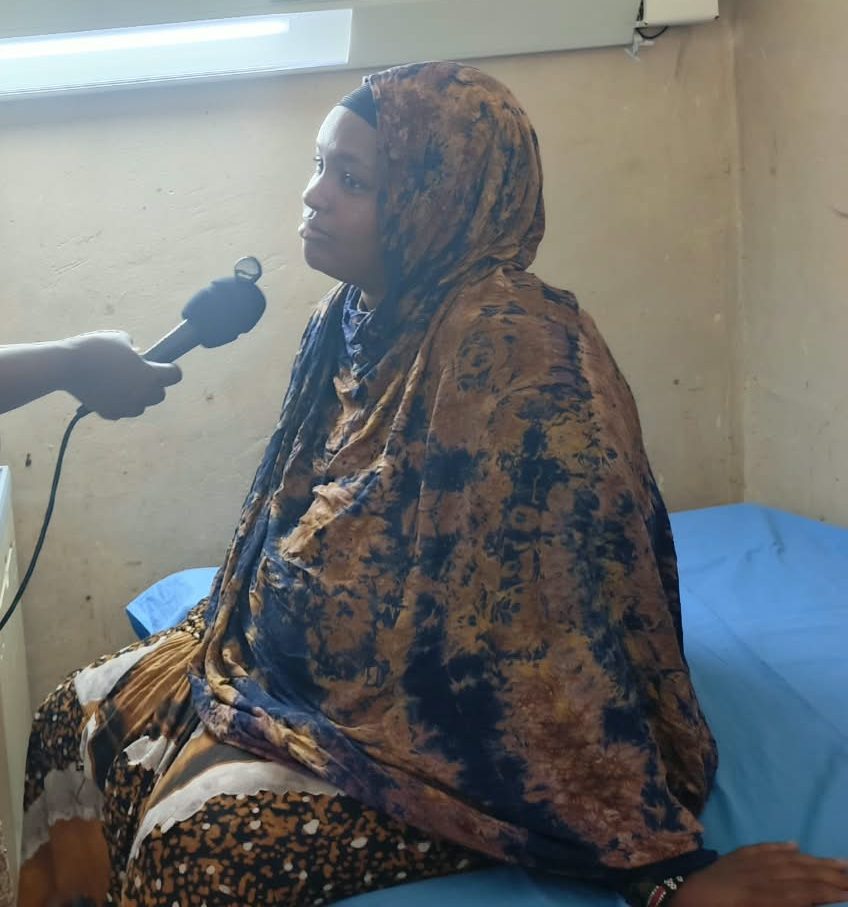
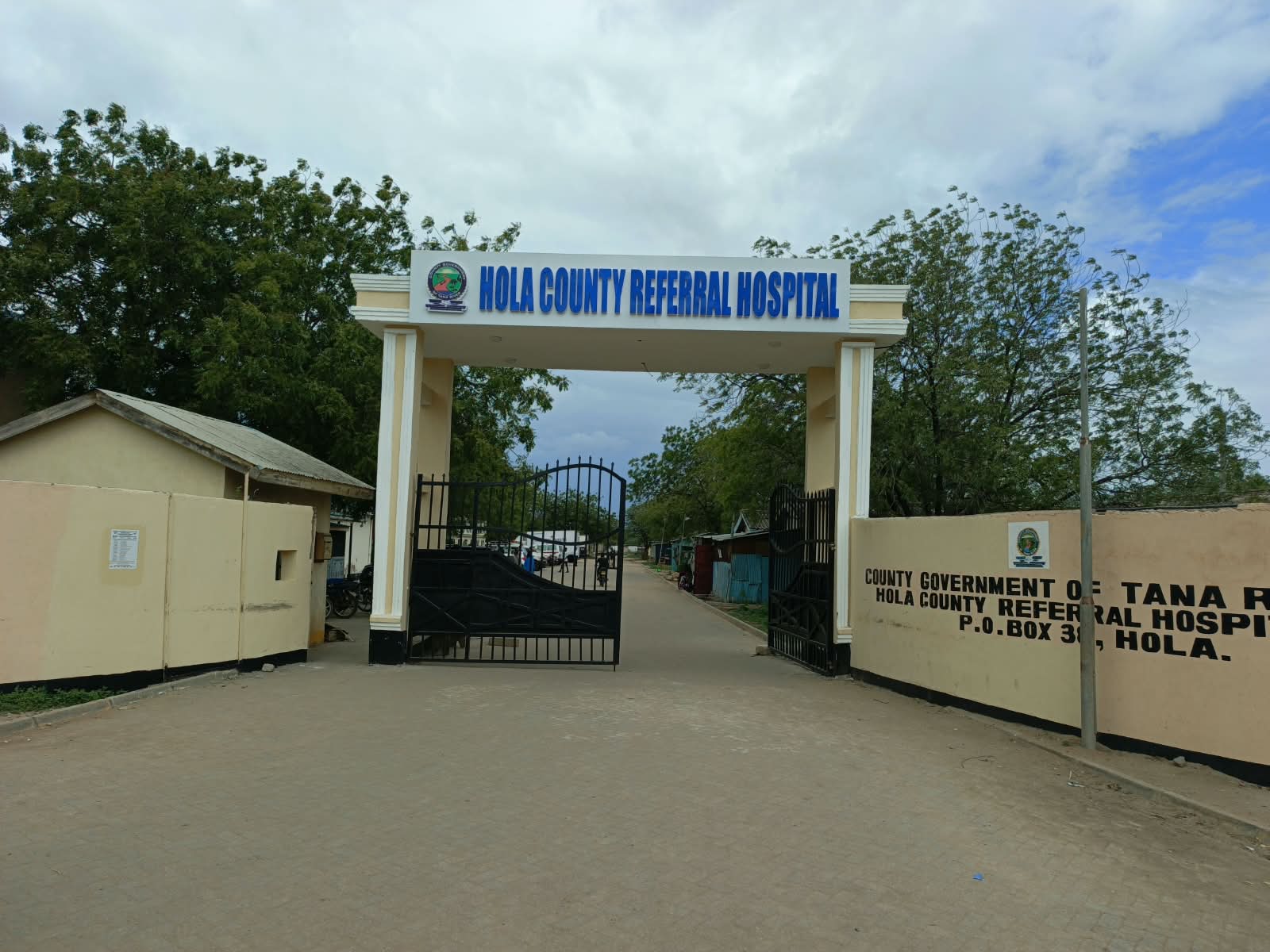
She was rushed to Bura Hospital before being referred to Hola County Referral Hospital, where doctors performed an emergency operation in an attempt to save her and her unborn baby.
“When I was eight months pregnant, I woke up one morning and took my children to school. Afterwards, I started experiencing pain and suddenly began bleeding. I had a blood pressure problem, and I continued bleeding from morning until around 1pm.
“I was brought to Hola Hospital, where they performed a scan and told me that the baby was in distress inside the womb. I was then taken to the operating theatre for surgery. I am grateful that I am now fine, and my baby is also doing well. I delivered my other children normally, but this was the only pregnancy that required an operation,” says Hadija Hussein.
For Husna, the experience was equally frightening, although her circumstances were different.
Speaking through a Somali-language account, Husna recounts how she developed severe headaches before her condition deteriorated. She was initially taken to Bura Hospital before being referred to Hola County Referral Hospital for specialised treatment.
“I started experiencing headaches, so I went to hospital. My condition continued worsening while I was there. From around 4pm until midnight, I was in pain before doctors eventually operated on me here at Hola. I was transferred from Bura Hospital in Tana River because my blood levels were low, which is why I was brought here,” Husna says.
Their experiences reflect the dangers women face when complications arise during pregnancy and childbirth, particularly in communities where access to specialised medical services remains limited.
According to the Kenya National Bureau of Statistics’ (KNBS) 2019 Kenya Population and Housing Census Analytical Report on Gender Dimensions, Tana River County recorded a maternal mortality ratio of 586 deaths per 100,000 live births, placing it among the counties with a high maternal mortality burden.
At Hola County Referral Hospital, healthcare workers continue to witness the devastating consequences of excessive bleeding after childbirth.
Margaret Kariuki, the nurse in charge of the maternity ward, says some mothers who experienced postpartum haemorrhage developed severe complications, including kidney failure, within the past six months.
She explains that several factors can contribute to excessive bleeding after delivery, including failure of the uterus to contract, blood-clotting disorders and injuries during childbirth.
“There are five major causes of postpartum haemorrhage, commonly referred to as the five Ts. One of them is the uterus failing to contract immediately after delivery. Another cause is a patient having a blood disorder, such as haemophilia, where the blood does not clot properly. Even a small amount of bleeding can therefore become excessive. There can also be tears during childbirth.
“Before the nurses’ strike, we experienced a difficult period, including cases where women developed kidney failure because of excessive blood loss. This also affects families economically because some mothers end up requiring dialysis as a result of the complications,” Kariuki says.
But what exactly happens when a mother experiences postpartum haemorrhage?
Dr Bruce Semo, an obstetrician and gynaecologist, explains that the condition can affect any woman after childbirth, even when the pregnancy has progressed normally and there were no obvious warning signs.
He warns that excessive bleeding can quickly cause shock and damage vital organs if emergency treatment is delayed.
“Postpartum haemorrhage can develop suddenly, even in women who have had completely normal pregnancies and previous deliveries. This is why every childbirth should take place in an environment where complications can be recognised and managed promptly.
“The effects of PPH can extend beyond the bleeding itself. Significant blood loss can cause severe anaemia, which may lead to weakness, organ failure and, in extreme cases, death. Some women require blood transfusions, admission to intensive care and emergency surgery to control the bleeding. In some cases, we may even have to remove the uterus to save the mother’s life,” Dr Semo explains.
While postpartum haemorrhage can occur unexpectedly, access to quality maternal healthcare before and during delivery remains essential in identifying possible complications and preparing for emergencies.
In 2016, the World Health Organization recommended increasing the number of antenatal care contacts from four to eight throughout pregnancy. The recommendation aims to improve the detection and management of pregnancy complications while promoting a positive pregnancy experience.
However, Kariuki says antenatal attendance remains a challenge among expectant mothers in Tana River County.
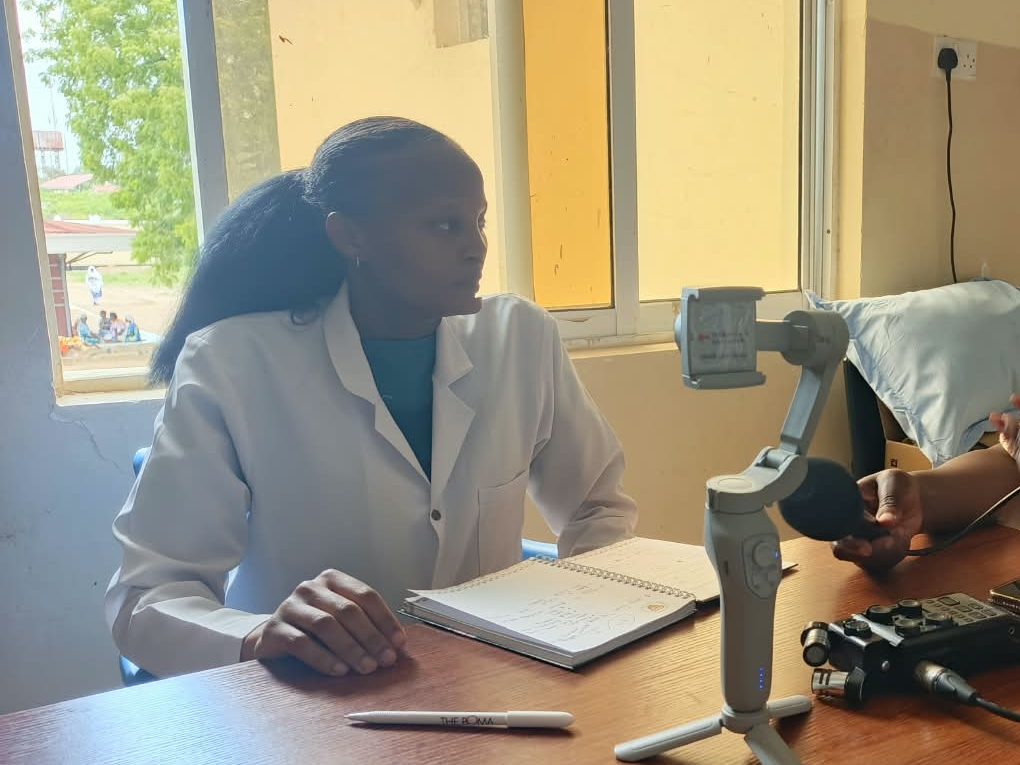
According to data at Hola County Referral Hospital, fewer than 60 per cent of mothers achieve the recommended eight antenatal visits, while approximately 80 per cent manage at least four visits.
She says long distances to health facilities, late initiation of antenatal care and the movement of pastoralist communities contribute to the low attendance.
“The recommendation is eight visits. However, when we analyse our data, not more than 60 per cent of mothers achieve the recommended eight visits. At least 80 per cent manage four visits, but we lose some of them along the way.
“This depends on when they begin attending antenatal clinics. Long distances between health facilities and their homes also contribute to the problem. Some mothers take too long to return for their scheduled appointments, while others prefer delivering at home. There are many factors that affect their access to care,” Kariuki says.
Beyond the challenges of accessing health facilities, the nutritional status of expectant mothers is another concern.
In some communities, traditional diets and limited access to nutritious foods leave women vulnerable to iron deficiency and low haemoglobin levels.
This can worsen the consequences of blood loss during childbirth, making adequate nutrition and antenatal screening important in protecting maternal health.
Kariuki says the pastoralist way of life in arid and semi-arid areas, coupled with limited access to health facilities, can make it difficult for pregnant women to maintain consistent antenatal care.
“A mother requires an iron-rich diet during pregnancy. However, most people in arid and semi-arid counties are pastoralists rather than farmers, and some mothers may have low haemoglobin levels that do not meet their iron requirements during pregnancy.
“This can be linked to the food they eat. Another challenge is the long distances, which are common in these counties because they are vast and health facilities are not evenly distributed.
“Pastoralist communities also move from one place to another. You may find a mother attending antenatal care at one facility, then moving to another area and eventually settling somewhere without a nearby health facility. Their way of life can therefore affect continuity of care and increase the risks they face during pregnancy and childbirth,” she says.
At the community level, efforts are underway to encourage greater family involvement in maternal healthcare.
Mohammed Keisane, a community health promoter in Bura, says more men are beginning to accompany their partners to antenatal clinic appointments, an encouraging development in improving maternal health awareness.
However, he says shortages of healthcare professionals remain a major concern, particularly when women require urgent attention during delivery.
“Some of the men who accompany their wives to hospital understand the importance of maternal and child health clinics. They are committed to ensuring their partners attend these appointments.
“However, when a mother goes to hospital to deliver, she may sometimes fail to receive the assistance she needs because of staff shortages. You may find that a doctor was supposed to report to work at noon but only arrives at around 2pm. Sometimes mothers experience difficulties while waiting for another doctor to come and assist them,” Keisane says.
For mothers who survive postpartum haemorrhage, the experience does not always end when the bleeding stops.
Dr Semo says some women continue to struggle with fear of future childbirth, emotional distress and psychological trauma, including depression.
He emphasises the need for psychological support alongside medical treatment to help mothers recover fully.
“There is an important emotional aspect of this condition that is often overlooked. Women who survive postpartum haemorrhage may experience psychological trauma, anxiety, fear of childbirth and depression. Some of them may take months to recover emotionally,” Dr Semo says.
The consequences of complications during childbirth can also extend to newborns.
Esther Ndara, a clinical officer specialising in paediatric and child health at Hola County Referral Hospital, says some babies born following complicated pregnancies or deliveries require specialised care, particularly when they are premature or affected by maternal complications.
“Most of the time, you find that some babies are born before 34 or 36 weeks. They may not be able to suckle properly and have not fully developed the features of a full-term baby.
“On the first day, we take care of them through feeding, providing oxygen where necessary and ensuring they are stable,” Ndara says.
Meanwhile, healthcare workers are strengthening efforts to identify mothers at risk and respond promptly to excessive bleeding.
Kariuki says community health promoters are being equipped with skills to recognise abnormal bleeding and other danger signs, enabling them to facilitate timely referrals to health facilities.
She also emphasises the importance of identifying underlying blood disorders, including haemophilia, which can contribute to excessive bleeding and require specialised medical assessment.
“We need to build the capacity of community health promoters so that healthcare workers can suspect haemophilia as early as possible.
“Through early suspicion, testing and diagnosis, we can establish whether a patient is bleeding because of haemophilia. This will help ensure that we do not continue losing mothers to complications that could be identified and managed through early detection,” Kariuki says.
At Hola County Referral Hospital, blood donation is another critical part of efforts to save mothers experiencing severe bleeding.
Innocent Wale, a nurse in charge of blood disorders at the hospital, says monthly blood donation drives are organised to maintain supplies, with much of the donated blood used to support women who develop postpartum haemorrhage.
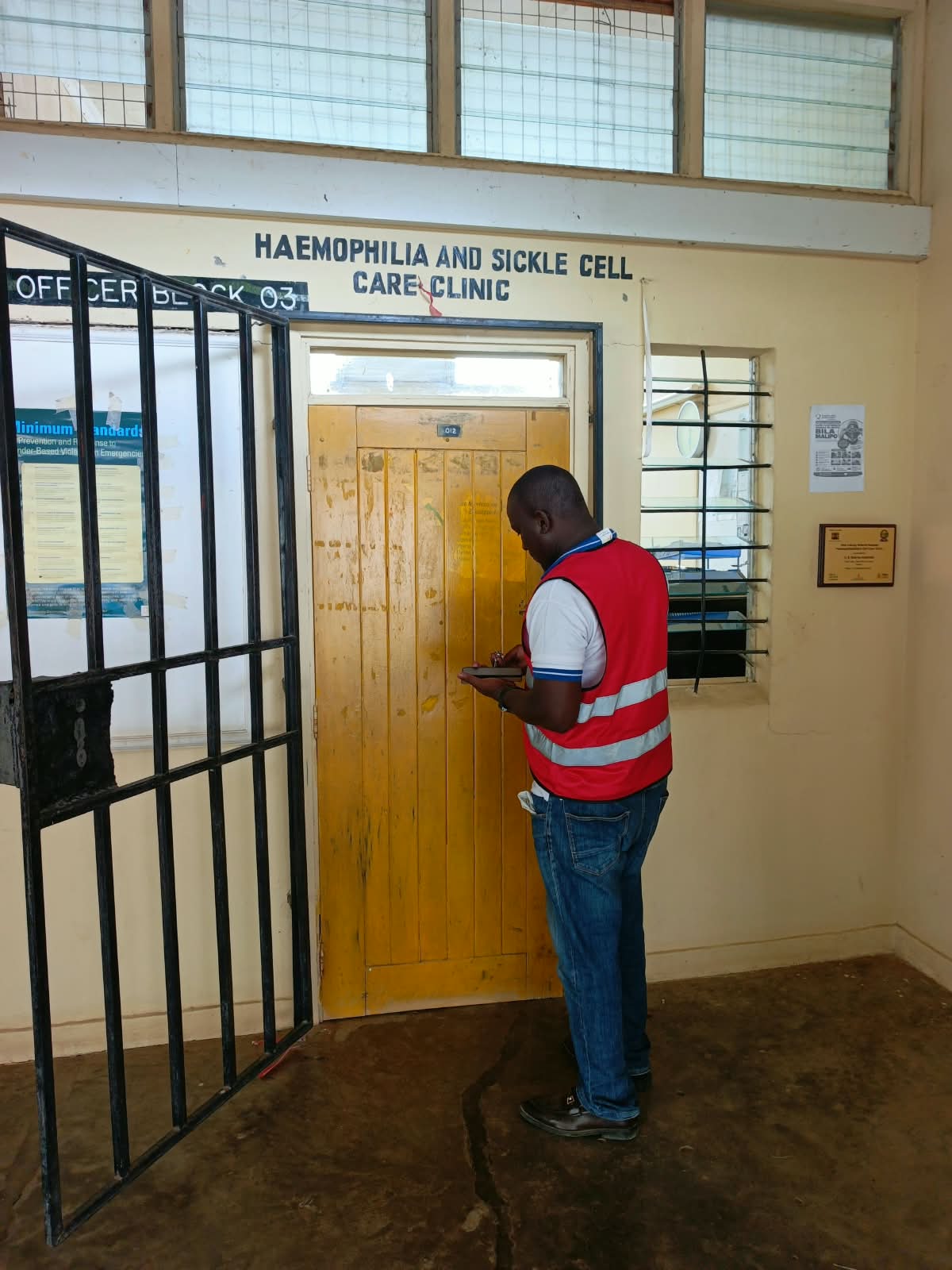
He says some women have underlying blood-clotting disorders that may only become apparent after childbirth, making investigations into the causes of excessive bleeding essential.
“We have mothers living with haemophilia who lack certain clotting factors in their blood. With haemophilia, there must be a trigger. When such a mother gives birth, even the small injuries that occur during delivery can cause continued bleeding.
“If she has not undergone proper investigations, we may not immediately establish that haemophilia is responsible. That is why every case of postpartum haemorrhage should be investigated to determine whether the cause is haemophilia or another medical condition,” Wale says.
For mothers like Hadija and Husna, survival has meant overcoming not only a medical emergency but also the challenges of accessing timely specialised care.
Their experiences underline the importance of preparedness, skilled birth attendance, functioning referral systems, adequate blood supplies and properly equipped health facilities in protecting mothers during childbirth.
Postpartum haemorrhage may occur unexpectedly, but its consequences can be reduced through early recognition and timely emergency treatment.
As the joy of welcoming a newborn should never be overshadowed by the fear of losing a mother, strengthening maternal healthcare remains essential in ensuring that childbirth becomes a moment of celebration rather than a fight for survival.


