The World Meteorological Organization (WMO) says the current El Niño could become unprecedented in strength, with its latest global seasonal outlook indicating that sea-surface temperatures in the tropical Pacific could rise to 3.8°C above average between November 2026 and January 2027.
The phenomenon is expected to peak towards the end of 2026, although its effects could continue well into 2027.
In Africa, its effects are expected to vary significantly between regions.
East Africa faces heightened flood concerns
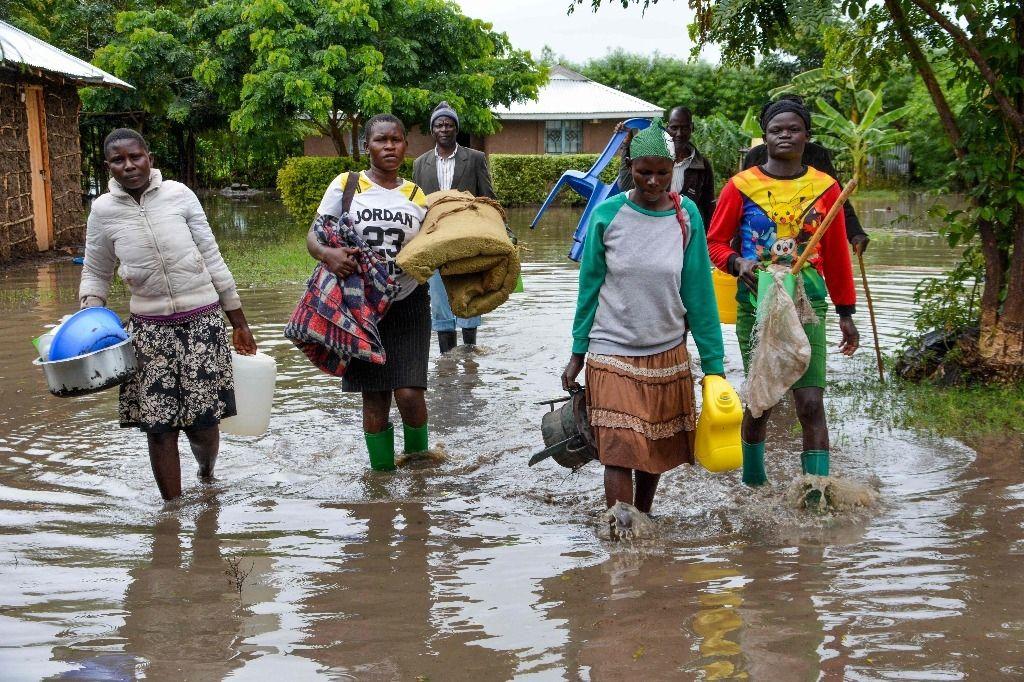
For East Africa, the concern is not simply the amount of rainfall expected, but the potential consequences of excessive rain on communities, infrastructure, agriculture and livelihoods.
The WMO says wetter-than-normal conditions are more likely in parts of the Greater Horn of Africa during the October–December 2026 rainy season, increasing the risk of heavy rainfall and flooding.
An earlier regional outlook issued by the IGAD Climate Prediction and Applications Centre (ICPAC) also pointed to an increased likelihood of above-average rainfall across parts of Kenya, Somalia, Ethiopia, Uganda, Rwanda and Burundi.
The outlook identified areas including central Kenya and the Lake Victoria Basin as regions with a high likelihood of receiving substantial seasonal rainfall.
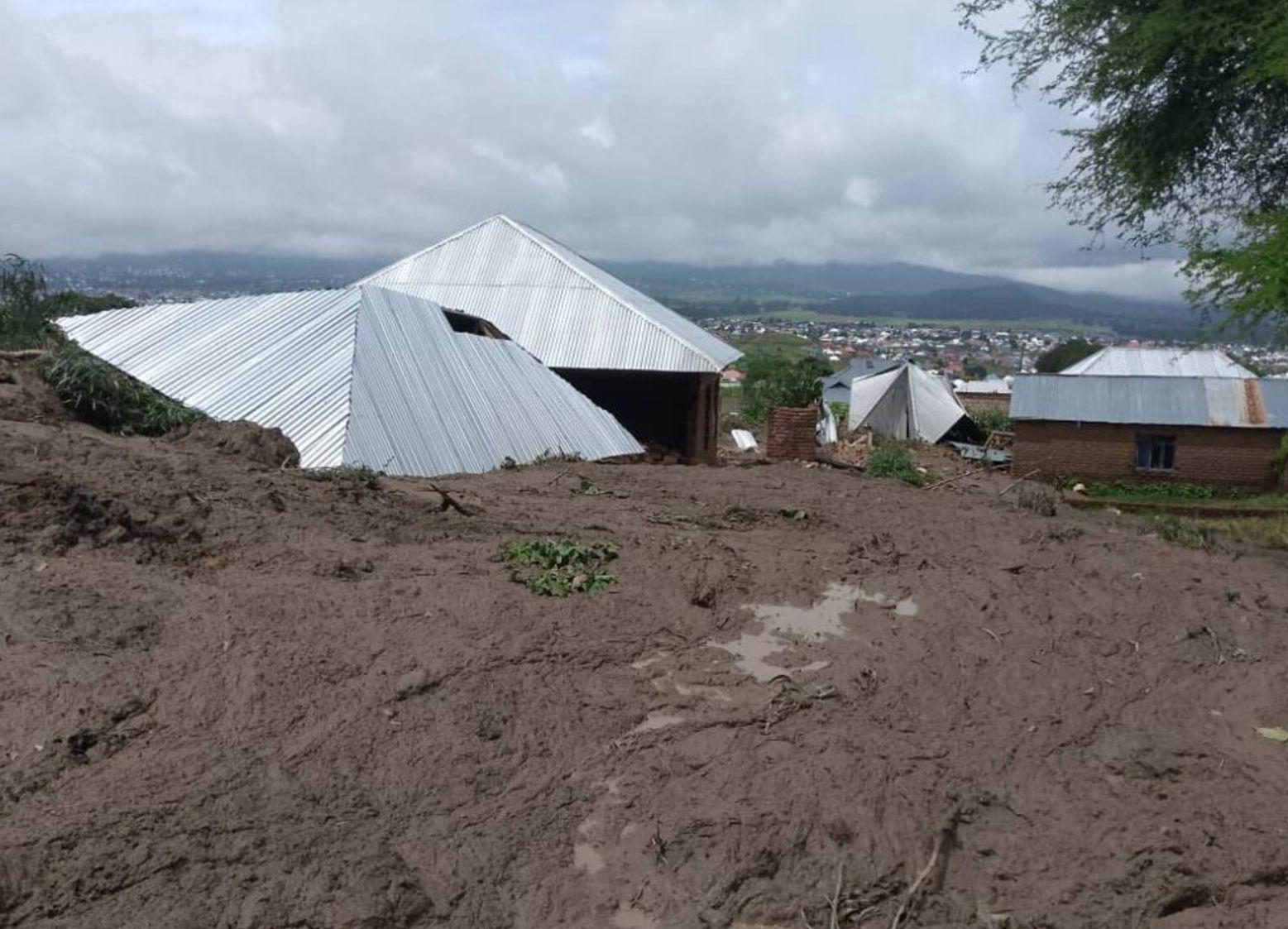
While increased rainfall could replenish water sources, improve pasture availability and support agricultural activities, excessive precipitation could also trigger flooding, landslides, crop destruction and damage to infrastructure.
Urban areas could face additional pressure from drainage systems struggling to cope with heavy downpours, potentially disrupting transport, businesses and access to essential services.
The risks are particularly significant for communities living in flood-prone areas and those whose livelihoods depend on farming and livestock.
Southern Africa faces a different climate threat
While parts of East Africa prepare for heavier rainfall, the outlook is markedly different across much of Southern Africa.
The Southern African Development Community (SADC), through its Climate Services Centre, has forecast an increased likelihood of below-normal rainfall across much of the central and southern parts of the region during the 2026/2027 rainy season.
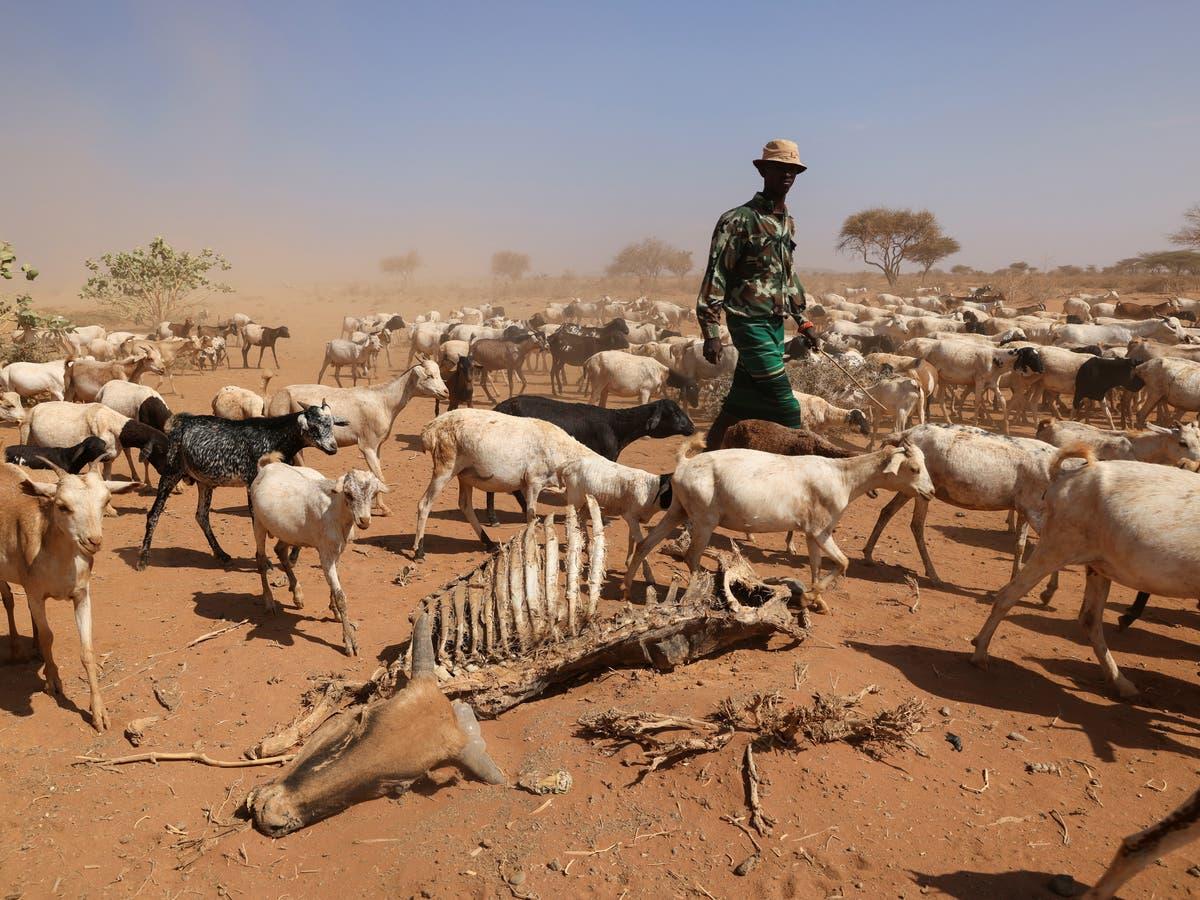
Countries expected to experience drier-than-normal conditions include Zimbabwe, Botswana, Namibia, South Africa, Lesotho, Eswatini and parts of Zambia, Angola and Mozambique.
The outlook warns that reduced rainfall, combined with above-average temperatures, could affect crop production, water availability and livelihoods.
The consequences could be particularly severe for households that depend on rain-fed agriculture, as prolonged dry conditions may affect planting, crop development and food production.
Millions could face increased food insecurity
Beyond the immediate weather risks, the developing El Niño could worsen existing humanitarian and food security challenges across the continent.
The WMO has warned that the phenomenon could compound the difficulties facing vulnerable communities, particularly those already affected by conflict, displacement and limited access to essential services.
The African Development Bank has estimated that El Niño-related impacts could cost African economies between $10 billion and $20 billion, with potential reductions in economic output.
The United Nations has also warned that around 50 million people could face increased hunger due to the climate phenomenon.
Early warnings key to reducing the impact
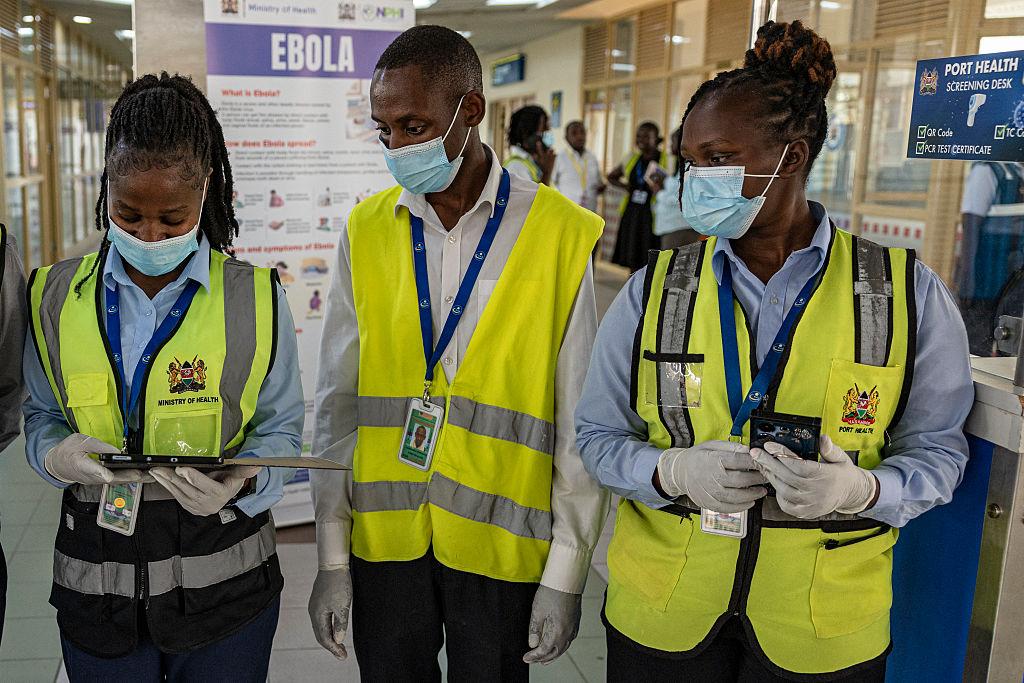
Despite the concerns, climate experts say the availability of seasonal forecasts and early-warning information provides an opportunity for governments and humanitarian organisations to prepare before the worst impacts occur.
The WMO has urged countries to use science-based forecasts to anticipate risks, strengthen preparedness and protect vulnerable populations.
For Kenya and other East African countries, this includes improving flood preparedness, communicating weather information to communities, protecting critical infrastructure and ensuring that residents in high-risk areas receive timely warnings.
National meteorological agencies are expected to provide more detailed country-specific forecasts and advisories to guide preparedness and decision-making.
Although El Niño is associated with recognisable climate patterns, its effects are not identical in every country or season. Seasonal forecasts indicate probabilities and broad trends; they do not predict individual weather events.
For communities across Africa, the challenge will be turning those forecasts into practical action before heavy rainfall, flooding or drought threatens lives and livelihoods.