The five patients were released from hospital on Tuesday after showing no symptoms and testing negative for the virus.
Two other patients remain hospitalised and are receiving supportive care, while authorities continue monitoring people who had been in contact with confirmed cases.
Kenya has not reported a new infection in the past two weeks, but health officials say surveillance and preparedness measures remain in place.
How the outbreak reached Kenya
Kenya confirmed its first case of the current outbreak on October 6, 2026, involving a man who had travelled from the Democratic Republic of Congo (DRC) through Uganda before arriving in Nairobi.
The patient was admitted to hospital after becoming ill but later died.
Subsequent investigations identified eight additional infections among people linked to the initial case, including family members and healthcare workers.
Kenya’s total number of confirmed infections therefore reached nine, with two deaths reported.
The Ministry of Health initiated contact tracing and isolation measures to prevent further transmission.
According to the latest report, authorities identified 135 contacts linked to the initial case. Some were placed under quarantine, with several subsequently released after completing the required monitoring period.
DR Congo remains the epicentre
The outbreak has been particularly severe in the Democratic Republic of Congo, where thousands of people have died.
The World Health Organization (WHO), in its October 23 update, reported 9,704 confirmed cases and 4,687 deaths in the DRC as of October 20.
The outbreak has affected several provinces, with Ituri and North Kivu among the hardest-hit areas.
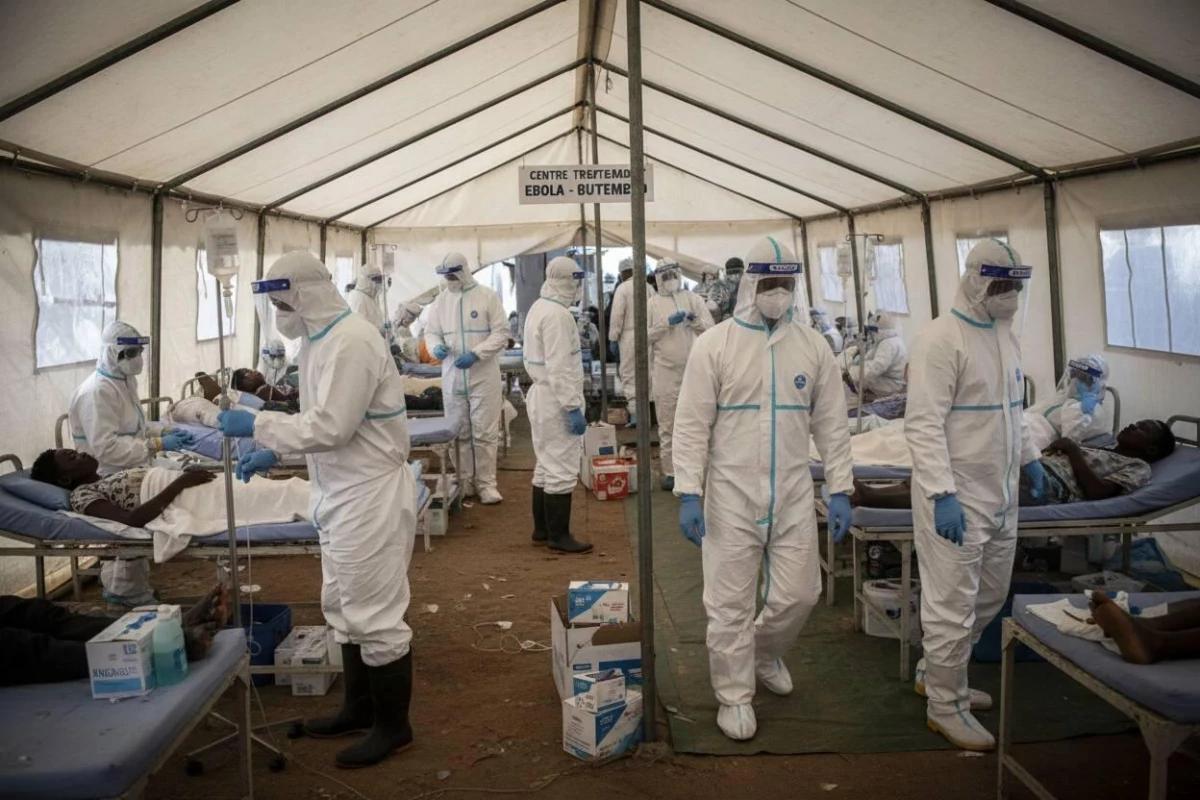
WHO has also raised concerns about delayed detection of infections and deaths occurring within communities before patients can access appropriate medical care.
The Africa Centres for Disease Control and Prevention reported on November 3 that the wider outbreak had surpassed 5,300 deaths, with infections also recorded in countries including Kenya and Uganda.
What makes this Ebola outbreak concerning?
The current outbreak is caused by the Bundibugyo virus, a species of Ebola virus.
Unlike the more familiar Zaire strain, for which approved vaccines and treatments exist, there are currently no approved vaccines or specific treatments for the Bundibugyo strain.
Clinical trials involving the Ervebo vaccine, which has been effective against the Zaire strain, have begun as researchers explore possible protection against the current outbreak.
WHO has emphasised the importance of early identification, testing, supportive treatment and coordinated surveillance to contain the spread.
The virus can spread through direct contact with the blood or other bodily fluids of an infected person, as well as contaminated materials. People who have had close contact with infected individuals are therefore among those requiring careful monitoring.
Kenya remains on alert
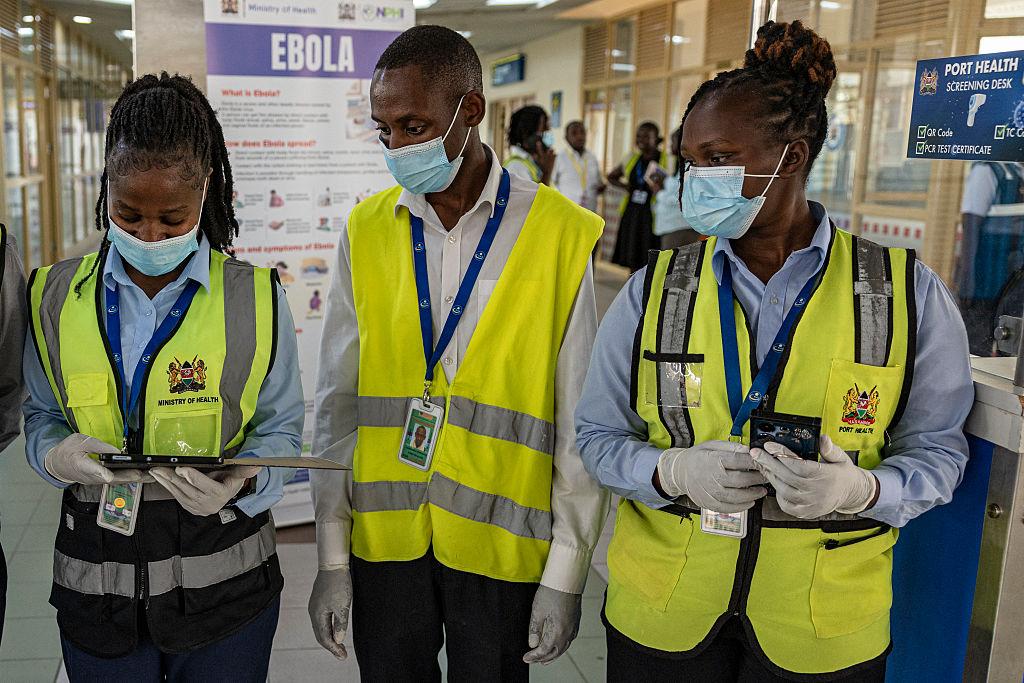
The discharge of five patients is encouraging, but the country must continue strengthening surveillance, particularly at points of entry and health facilities.
Healthcare workers also need appropriate protective equipment, training and clear procedures for identifying and managing suspected cases.
For communities, health authorities continue to emphasise the importance of seeking medical attention when symptoms develop after possible exposure and avoiding direct contact with suspected cases.
The latest developments offer some reassurance that Kenya’s response is progressing, but the wider regional outbreak remains a serious public health concern.
With cross-border movement continuing across East and Central Africa, sustained cooperation between health authorities will be critical to preventing further infections.