United Nations climate negotiations at COP31 in Antalya, Türkiye, have entered an extended session after countries failed to reach a comprehensive agreement by the conference’s scheduled Friday conclusion.
The talks have exposed deep divisions over how quickly the world should move away from fossil fuels and how much financial support wealthy nations should provide to countries facing the worst effects of climate change.
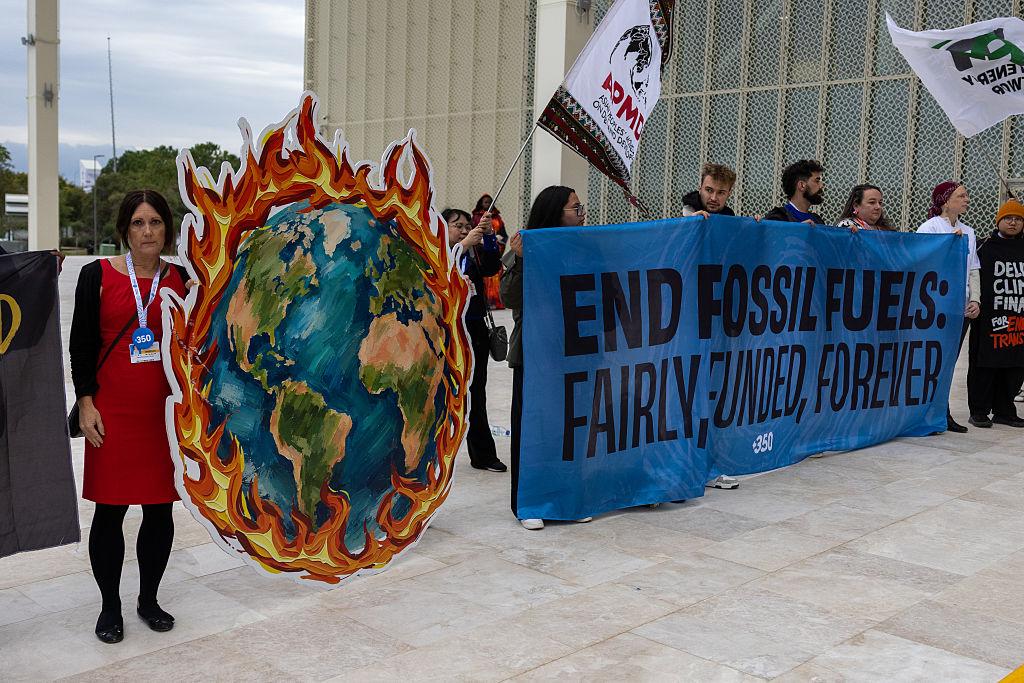
A draft of the proposed final agreement reportedly omitted an explicit reference to fossil fuels, drawing criticism from countries and climate campaigners who want a stronger commitment to reducing dependence on coal, oil and gas.
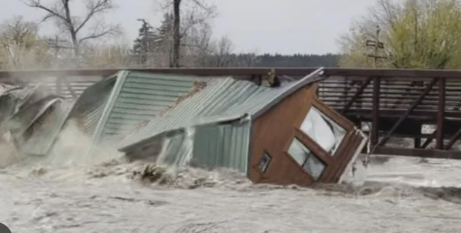
The disagreement comes as the world continues to experience increasingly severe climate impacts, including destructive floods, prolonged droughts and extreme heat.
African countries press for climate finance
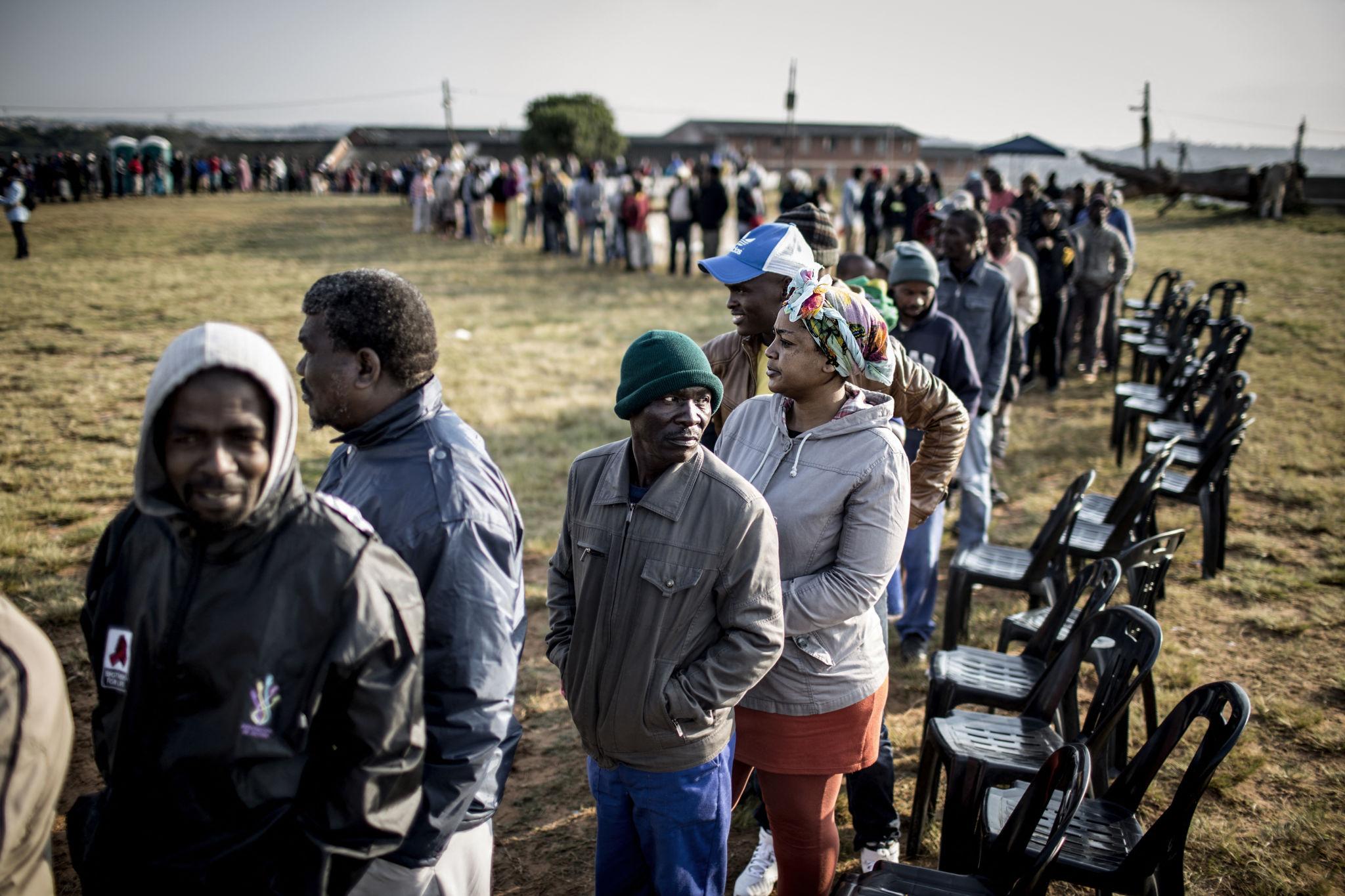
For African nations, one of the most important issues at the negotiations is the availability of funding to help communities adapt to climate change and recover from climate-related disasters.
Many African countries face serious climate risks despite contributing a relatively small share of historical global greenhouse gas emissions.
Governments across the continent need resources to strengthen early-warning systems, improve climate-resilient agriculture, protect water supplies and prepare communities for floods, droughts and other extreme weather events.
However, African representatives have expressed frustration over what they consider insufficient progress on adaptation funding and the failure of developed countries to meet their climate-finance responsibilities.
The negotiations have also raised questions about whether existing climate-finance commitments are translating into accessible funding for vulnerable communities.
Fossil fuels remain a major sticking point
The proposed omission of an explicit fossil-fuel commitment has become one of the most contentious issues in the final negotiations.
Countries supporting a faster transition away from fossil fuels argue that stronger language is necessary to keep global warming within the limits established under the Paris Agreement.
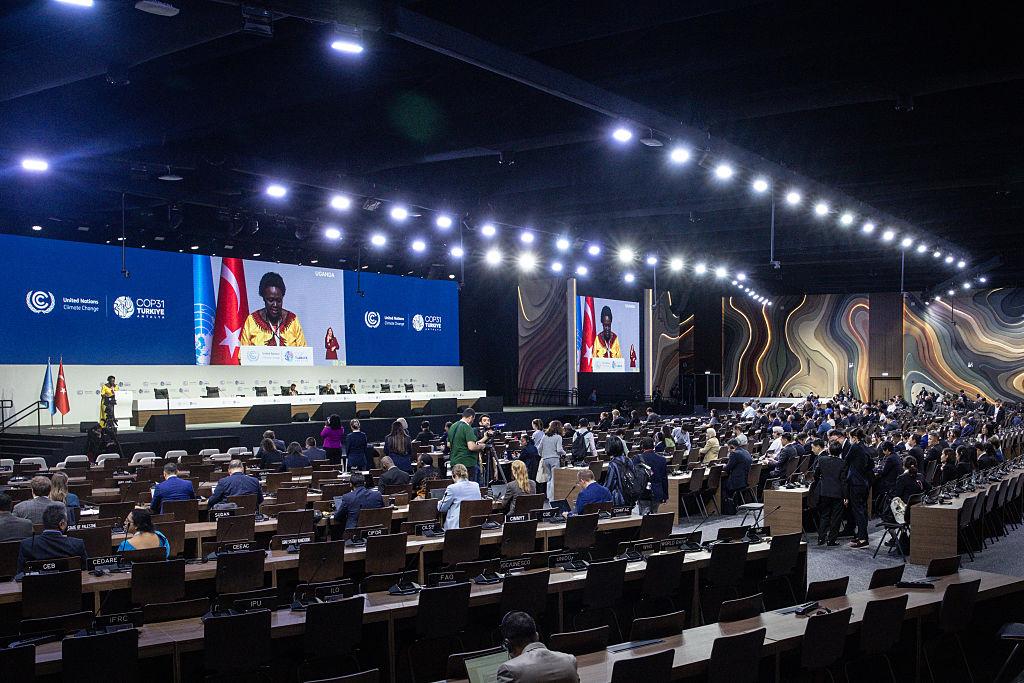
Others remain concerned about the economic implications of a rapid transition, including energy security, development needs and the cost of replacing existing energy systems.
The disagreement reflects a wider challenge facing developing economies, particularly those that still depend on fossil fuels for government revenue, industrial development and energy production.
What the outcome could mean for Africa
The final agreement could influence the direction of international climate policy, including how adaptation, clean energy investment and climate-related loss and damage are financed.
For African countries, the negotiations are not simply about diplomatic commitments. They have practical implications for farmers, urban communities, businesses and governments dealing with increasingly unpredictable weather.
The outcome will also matter for countries seeking to expand renewable energy while improving electricity access and supporting economic growth.
As negotiations continue, the central question remains whether world leaders can agree on commitments that match the scale of the climate crisis, particularly for countries with limited resources to respond to its effects.
READ: Nearly 30 Million Climate-Related Displacements Recorded in 2025 as COP31 Raises Alarm
The conference was scheduled to conclude on November 20, but negotiations continued beyond the deadline as governments worked to resolve outstanding disagreements.