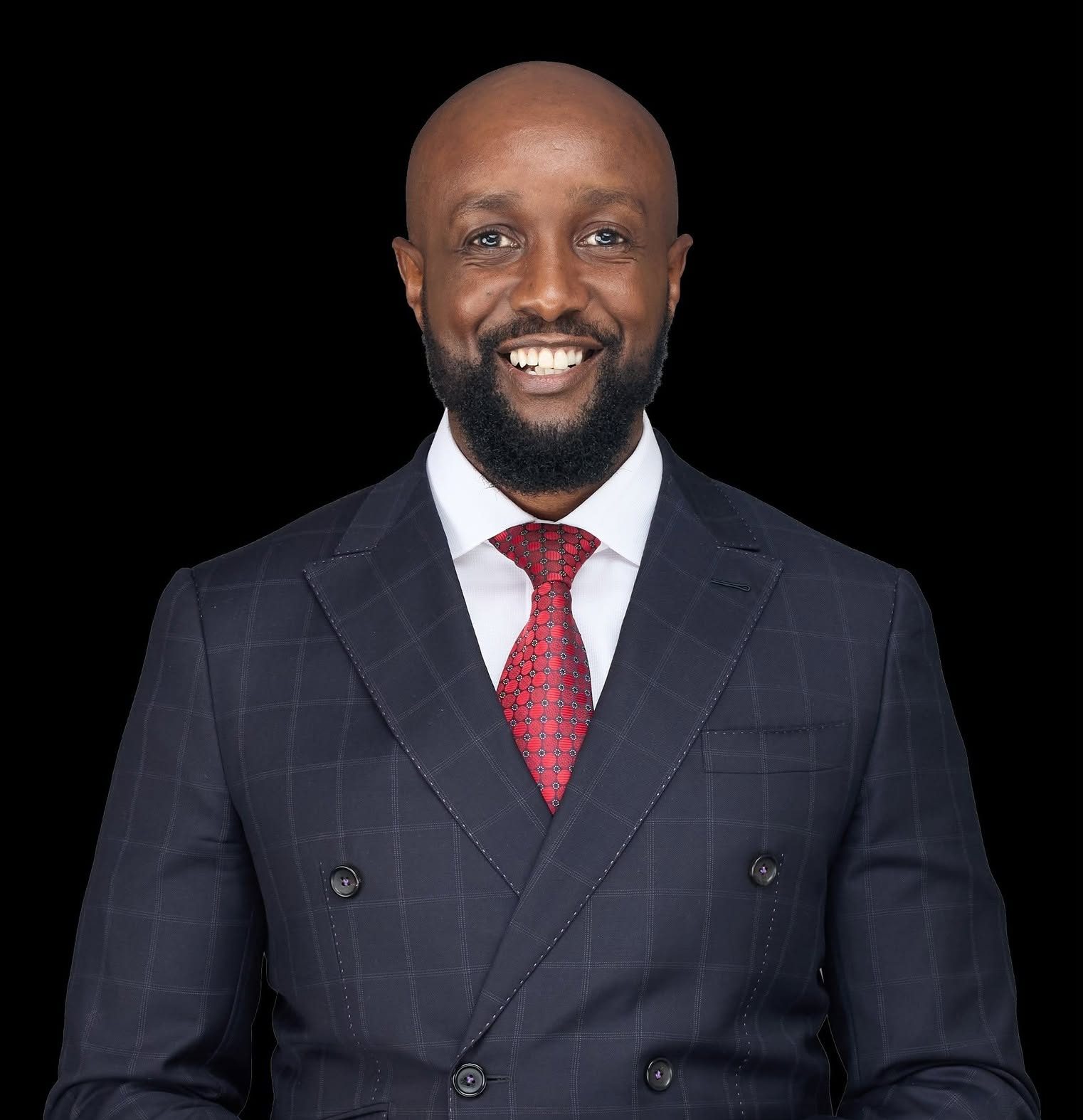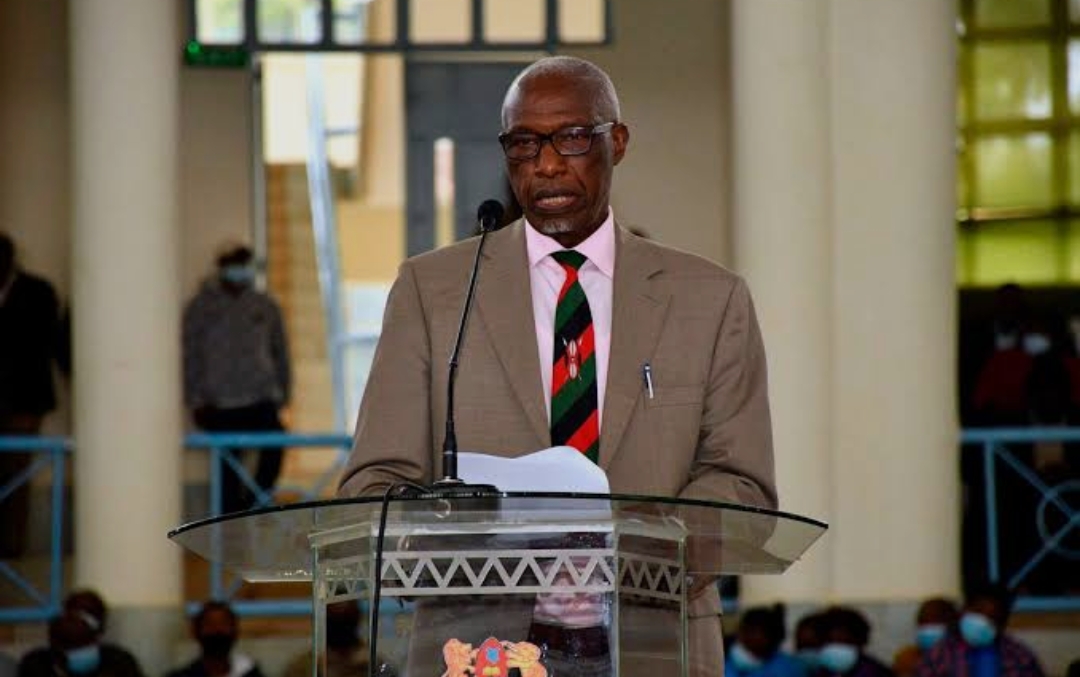
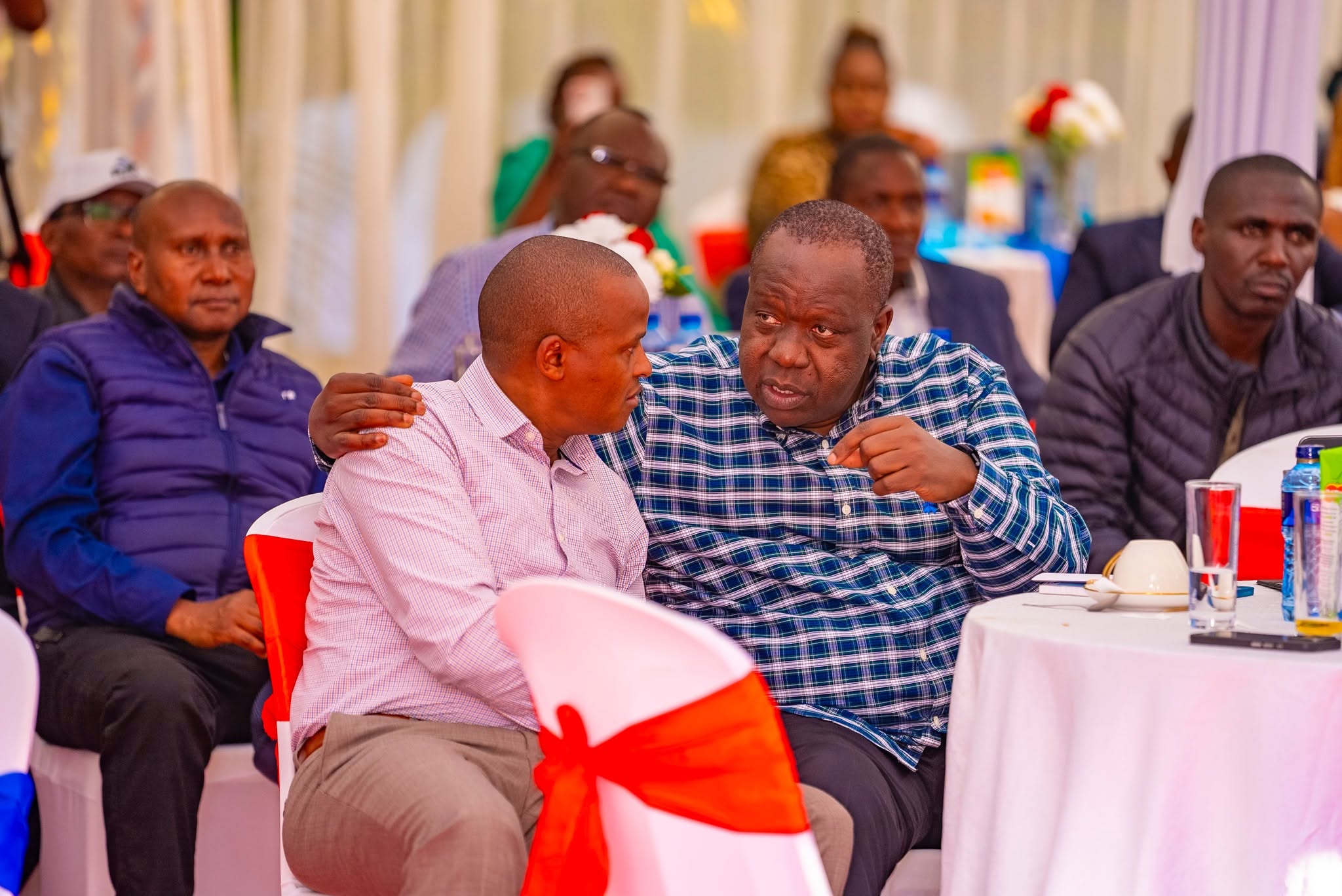
If Fred Matiang’i ever makes it to State House, some people may not be celebrating.
That is the argument put forward by Bomachoge Borabu MP Nolfason Barongo, who believes individuals and networks thriving on corruption, tribalism and weak institutions would have little reason to welcome a Matiang’i presidency.
In a statement explaining why some people may never want the former Interior Cabinet Secretary to become Kenya’s president, Barongo argued that a government built around discipline, integrity, competence and accountability would threaten those who benefit from loopholes in public institutions.
The legislator identified 12 groups he believes would feel uncomfortable under Matiang’i’s potential leadership.
At the top of his list were conmen and criminal cartels, whom he said would face investigations and prosecution if the country adopted a tougher approach to fighting fraud and organised criminal networks.
Barongo also singled out individuals he described as lazy, arguing that a Matiang’i administration would place a premium on discipline, hard work and productivity.
He warned that education cartels involved in examination cheating, certificate fraud and the exploitation of learners would also have reason to worry.
On corruption, the MP argued that individuals involved in bribery, embezzlement and the theft of public funds would face serious accountability.
He further pointed to tenderpreneurs who benefit from inflated government contracts and fraudulent procurement, saying such practices would come under strict scrutiny.
Tribalists would also have little reason to celebrate, according to Barongo, who argued that merit, competence and equal opportunity would take precedence over tribal favouritism.
Other groups on his list included ghost workers benefiting from fraudulent public payrolls, drug barons involved in trafficking and distribution networks, and land grabbers accused of illegally acquiring public property.
The MP also identified political thugs, saying violence, intimidation and political hooliganism would not be tolerated.
He added that inefficient public servants who normalise absenteeism, negligence and poor service delivery would face pressure to perform, while those misusing or wasting taxpayers’ money would be expected to account for their actions.
‘Those who benefit from weak institutions may not welcome change’
Barongo’s central argument was that the greatest resistance to a Matiang’i presidency would come from people who stand to lose from stronger institutions and a culture of accountability.
“Perhaps the greatest discomfort would be a leadership culture built on discipline, integrity, competence and measurable results. Those who benefit from institutional weaknesses may not welcome such a transformation,” he stated.
The remarks offer a strong endorsement of Matiang’i’s perceived leadership style as political conversations around the country’s 2027 presidential contest continue.
Matiang’i, who previously served as Interior Cabinet Secretary, has remained a subject of political discussion over the possibility of seeking the country’s top seat.
However, Barongo’s list reflects his political assessment of the groups that could resist such a presidency. It is not a confirmed policy programme from Matiang’i or proof that the groups identified are actively opposing his possible candidature.
The question now is whether the leadership qualities Barongo associates with Matiang’i will resonate with Kenyans looking for stronger accountability, better public services and a government that delivers measurable results.