1. It is not yet a finished Vision 2060 blueprint
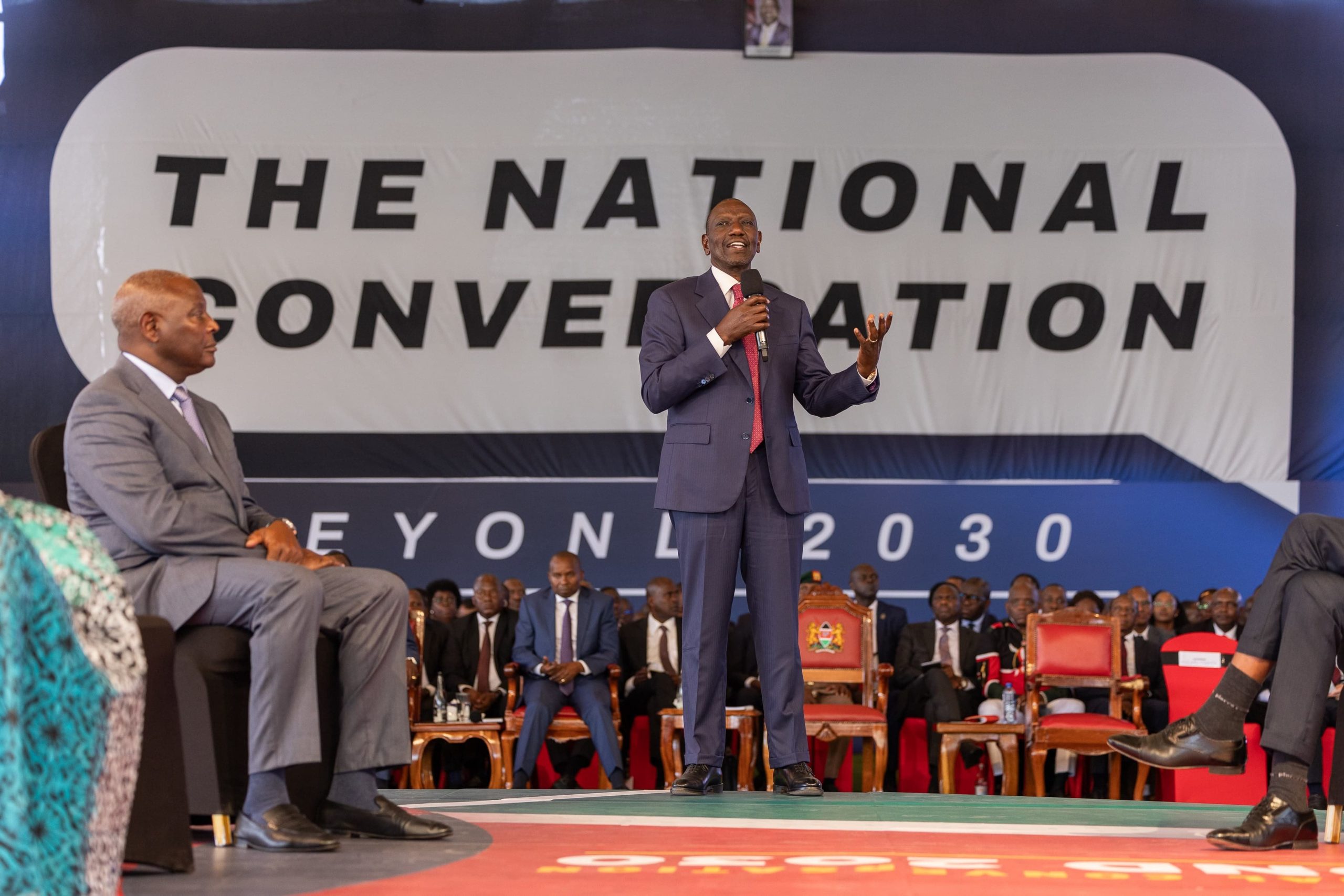
What has been launched today is the national conversation on Kenya’s development beyond Vision 2030. Vision 2060 is the proposed long-term horizon that this process is expected to shape.
2. Why is Kenya doing this now?
Kenya’s current Vision 2030 is approaching its target period. The government wants to establish what comes next rather than allow the country’s long-term development agenda to end with Vision 2030.
3. Why 2060?
The proposed framework looks roughly 30 years into Kenya’s future. The idea is to move development planning beyond the usual five-year political and electoral cycles.
President William Ruto has argued that Kenya needs to think about the next generation rather than just the next election.
4. Who is involved?
More than 5,000 delegates from all 47 counties are participating in the national conversation at KICC, alongside leaders and representatives from different sectors.
Kisumu Governor Anyang’ Nyong’o is chairing the committee working on the proposed long-term framework.
5. What will Vision 2060 actually address?
The conversation is expected to consider Kenya’s long-term priorities, including economic growth, jobs, education, human capital, technology, infrastructure, healthcare, governance and other areas that will determine the country’s future.
6. Ruto says it should not belong to his government.
One of the important messages from today’s launch is that Vision 2060 is supposed to be a national project rather than a Ruto administration project.
Ruto has said Kenyans should determine the country’s aspirations and future direction.
7. Why does public participation matter?
The government is presenting this as a conversation with Kenyans, not simply a document written by government officials.
That means the eventual vision should ideally reflect what citizens want Kenya to look like decades from now.
A striking moment today came from seven-year-old Adrian Gweth Ombuni, who told Ruto that by 2060 he wants Kenya to have good schools, clean water and more jobs for young people. He would be 41 in 2060.
The biggest question
The real test is whether Kenya can create a long-term development plan that survives changes of government.
Vision 2030 was itself designed as a long-term national development blueprint. The new conversation therefore needs to answer a difficult question:
Can Kenya agree on where it wants to be in 2060 and actually stick to that path regardless of who wins elections?