
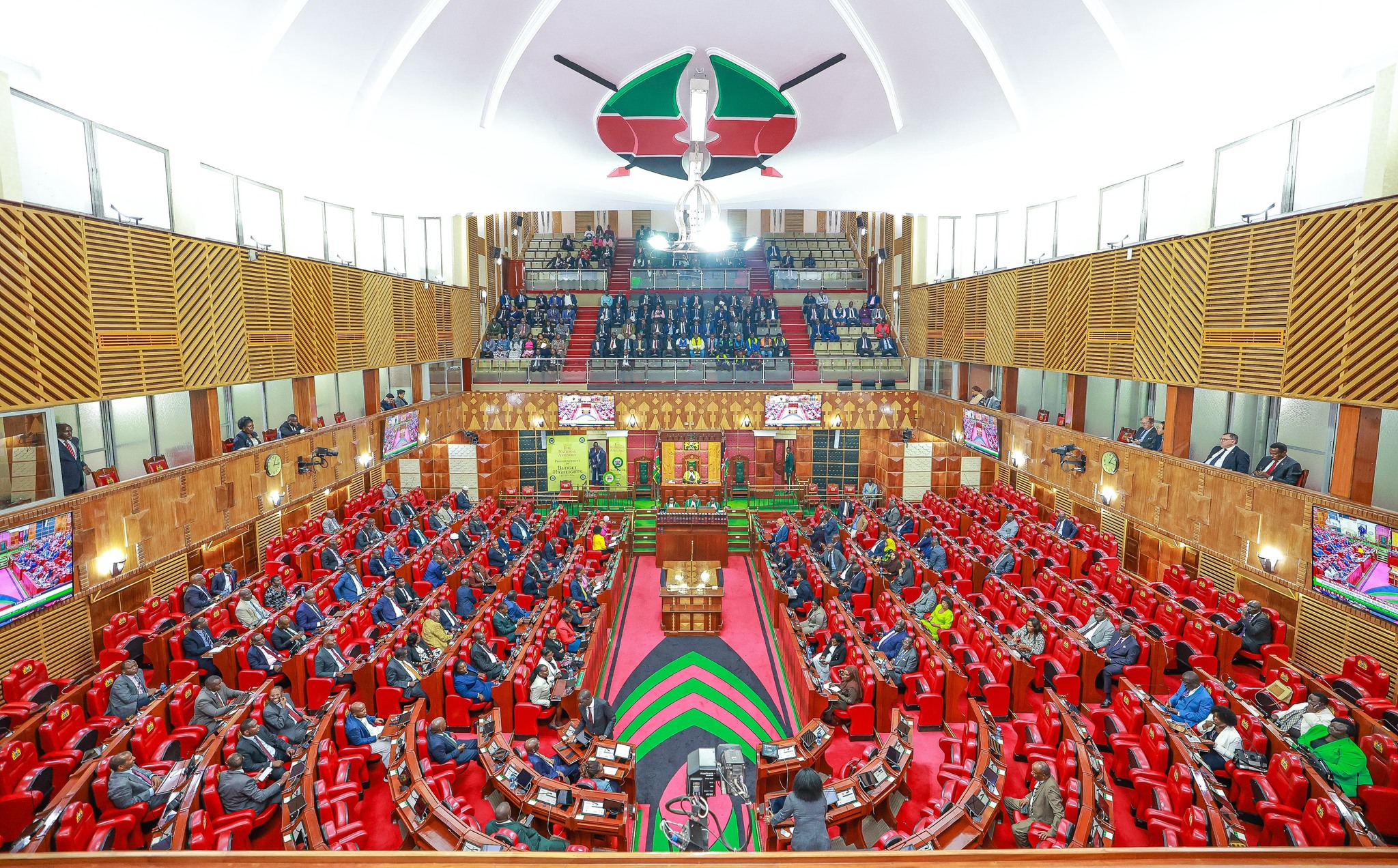
The rollout of the Finance Bill, 2026 represents a delicate balancing act for Kenya’s economic architecture. Spearheaded by Treasury Cabinet Secretary John Mbadi, this year’s bill shifts away from sweeping, aggressive rate hikes. Instead, the focus is squarely on tax simplification, widening the tax base, and aggressive compliance enforcement to fund a massive Sh4.82 trillion budget.
1. The Core Tax Proposals: What is Changing?
The text of the bill targets specific sectors particularly digital platforms, non-residents, and corporate structures to meet an ambitious ordinary revenue target of Sh2.99 trillion.
- Digital & FinTech Overhaul: The definition of “management or professional fees” has been expanded to include bank interchange fees and merchant service fees. Furthermore, the definition of a “royalty” now explicitly covers access to proprietary digital platforms and payment networks.
-
The “Offshore Landlord” Tax: A brand new self-assessment regime imposes a strict 30% final withholding tax on gross rental income earned by non-resident persons owning property in Kenya.
-
Tighter Tax Deadlines: The bill slashes the window for filing annual tax returns for individuals and companies from six months down to four months after the year of income. If you are filing a nil return, you have just one month.
-
Green Energy Reversal: Moving away from previous incentives, the bill proposes standard VAT rating for the supply of electric motorcycles, electric buses, and electric bicycles.
-
E-Commerce & Digital Services: VAT will now cleanly apply to digital and platform-based financial services, closing loophole gaps from past legislation.
2. The Legislative Blueprint: Steps to Follow
The passage of a Finance Bill follows a rigid constitutional timeline. Missing a step or failing to sign it before July 1 throws the country into a fiscal stalemate.
3. The Grand Dilemma: Why This Year is Crucial
Behind the scenes, the Treasury is facing a severe fiscal squeeze. CS Mbadi has publicly warned that the targeted Sh3.63 trillion in total revenue (Ordinary Revenue + Appropriations-in-Aid) is “rarely achievable” given global economic shocks.
Out of every shilling collected, massive portions are pre-allocated. Debt servicing is projected to swallow Sh1.5 trillion, public sector salaries require Sh1 trillion, and mandatory county allocations take Sh420 billion.
Because the budget is incredibly rigid and Kenyans have fiercely resisted higher direct income taxes, the state’s options are limited. If KRA compliance enforcement falls short of targets, the Treasury will have no choice but to implement aggressive austerity measures and slash discretionary spending across national ministries.