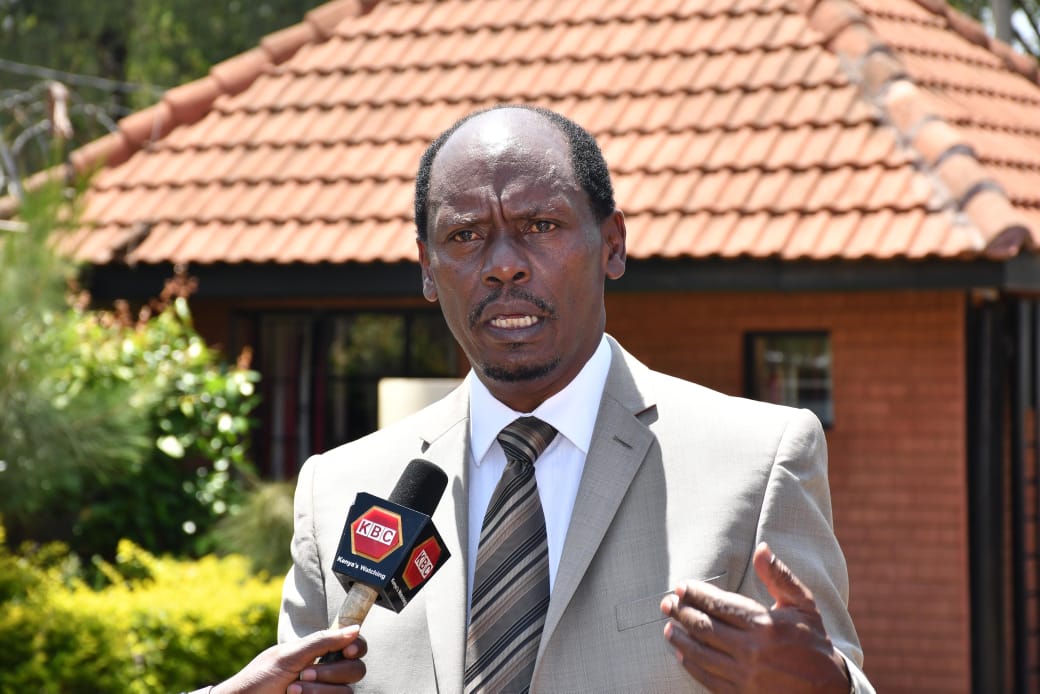
ICT and Digital Economy Cabinet Secretary William Kabogo has come to the defence of former President Uhuru Kenyatta, warning against attempts to blame the previous administration while ignoring President William Ruto’s role in the same government.
In his argument Kabogo say’s that William Ruto cannot completely separate himself from the record of the Uhuru administration because he served as Deputy President for the entire 10 – year period.
In an interview with Kameme FM of the Media Max Ltd on Monday, Kabogo said the two leaders shared responsibility for both the achievements and shortcomings of the government they led together.
“Sometimes politics is a very dirty game. The current president was Uhuru’s deputy. If they succeeded, they succeeded together, and if they failed, they failed together. They were joined at the hip by a common ticket.”
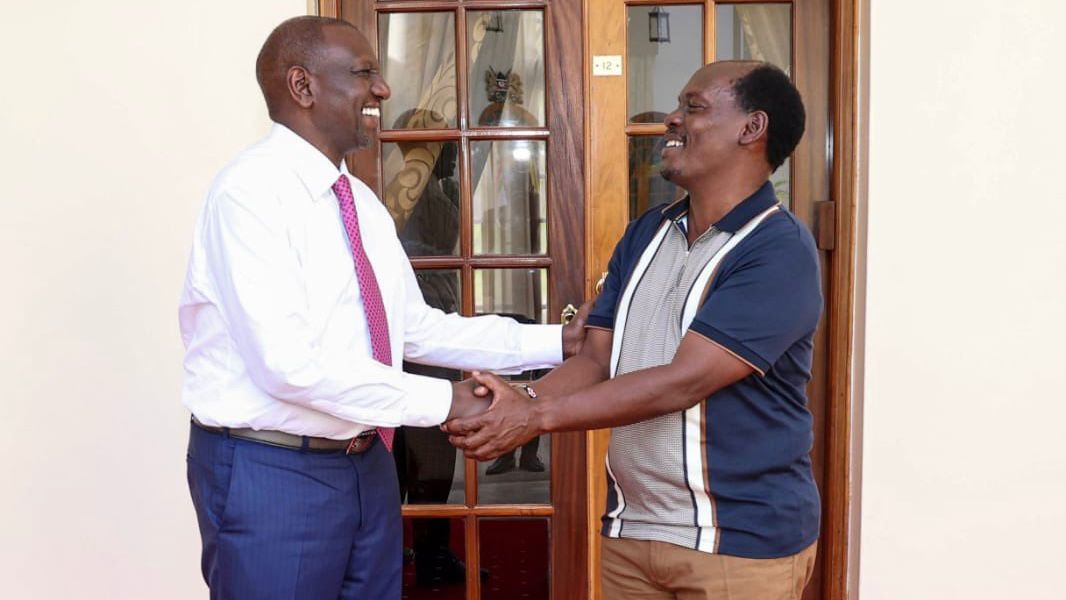
Kabogo’s remarks come at a time when the Ruto administration has stepped up criticism of his predecessor’s record, particularly over projects and policies that the current administration says were not successfully implemented.
During a rally in Eldoret last week, Ruto questioned Uhuru’s legacy, citing areas including affordable housing, universal health coverage and education.
He also accused his predecessor of supporting political forces seeking to challenge his administration ahead of the 2027 General Election.
William Kabogo suggested that achievements recorded during the Jubilee administration cannot be attributed exclusively to Uhuru while Ruto is excluded from responsibility for the government’s shortcomings.
William Kabogo comments, making his defence of the former President Kenyatta, a serving Cabinet Secretary in Ruto’s administration, have sparked online criticism.
The former Kiambu governor’s remarks could therefore complicate the increasingly heated political debate over Uhuru’s legacy as the country heads towards the 2027 elections.
“If they succeeded, they succeeded together, and if they failed, they failed together.” Kabogo said in part.
READ MORE: Pyypl Extends Its Regulated Payments Licence in Kazakhstan to Digital Assets