
The High Court in Malindi has ruled that Kenya’s presidential election must be held on the second Tuesday of August in the fifth year following the previous General Election, declaring that any election conducted beyond that date would be unconstitutional.
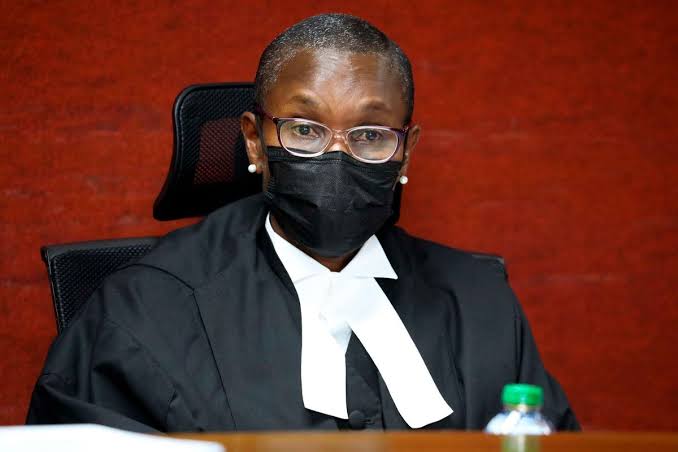
In a judgment delivered on Friday, Malindi Resident Judge Lady Justice Mugure Thande directed the Independent Electoral and Boundaries Commission (IEBC) to rectify the anomaly in the timing of future presidential elections.
The ruling followed a petition filed by human rights activists Dr. Owiso Owiso, Khelef Khalifa and Ashioya Biko against the Attorney General and the IEBC.
Justice Thande declared that Article 136(2)(a) of the Constitution requires the presidential election to be held on the second Tuesday of August in the fifth year after the previous General Election, and not after the expiry of the fifth year.
“In the end and after the foregoing analysis, the court makes the following orders: A declaration is hereby made that pursuant to Article 136(2)(a) of the Constitution, the election of the President must be held on the second Tuesday of August in the fifth year following the previous General Election and not after the fifth year,” the judge ruled.
The court further declared that the fifth year following the presidential election held on August 9, 2022 commenced on August 9, 2026.
However, Justice Thande suspended the declaration of invalidity until after the next General Election to allow the IEBC sufficient time to correct the constitutional defect in future elections.
“The declaration of invalidity of the election is suspended until after the next General Election is held to allow the second respondent to correct the defect,” she stated.
The judge also held that the Constitution does not expressly provide the President with a fixed five-year term of office.
“By operation of Article 136(2)(a) of the Constitution, the term of office of the President is not five years. Neither Article 142 nor any other provision of the Constitution confers upon the President a five-year term in office,” Justice Thande said.
Despite finding merit in the constitutional interpretation, the court declined to invalidate previous General Elections that had been conducted under the existing electoral timetable.
The court also declined to grant all the orders sought by the petitioners, noting that the case had been filed after considerable delay.
The judgment now places the responsibility on the IEBC to align future presidential election dates with the constitutional timeline before the next General Election.