
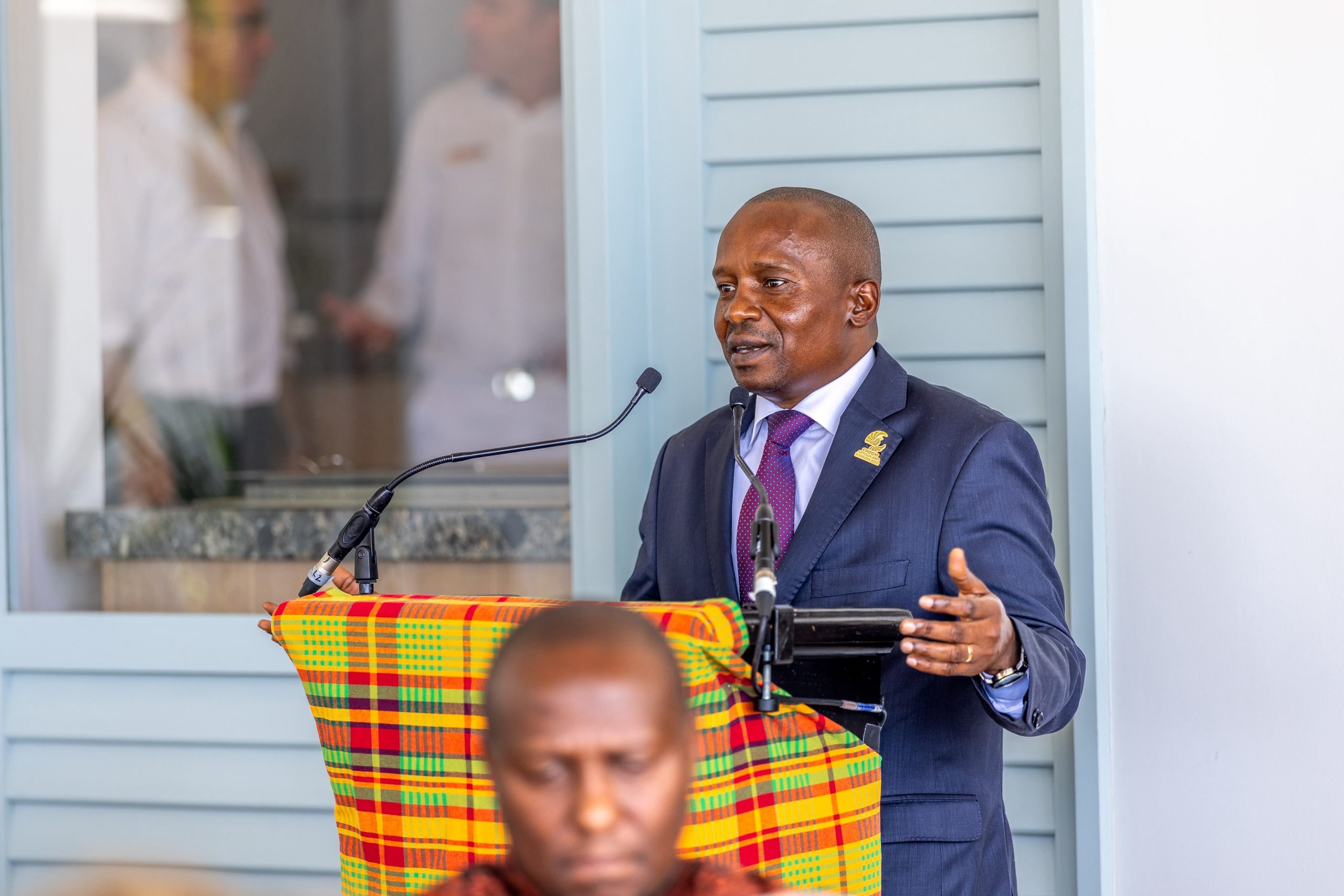
Deputy President Kithure Kindiki has announced that Kenya’s National Infrastructure Fund has secured US$2.7 billion in capital, as the government seeks to attract additional private-sector financing for major development projects.
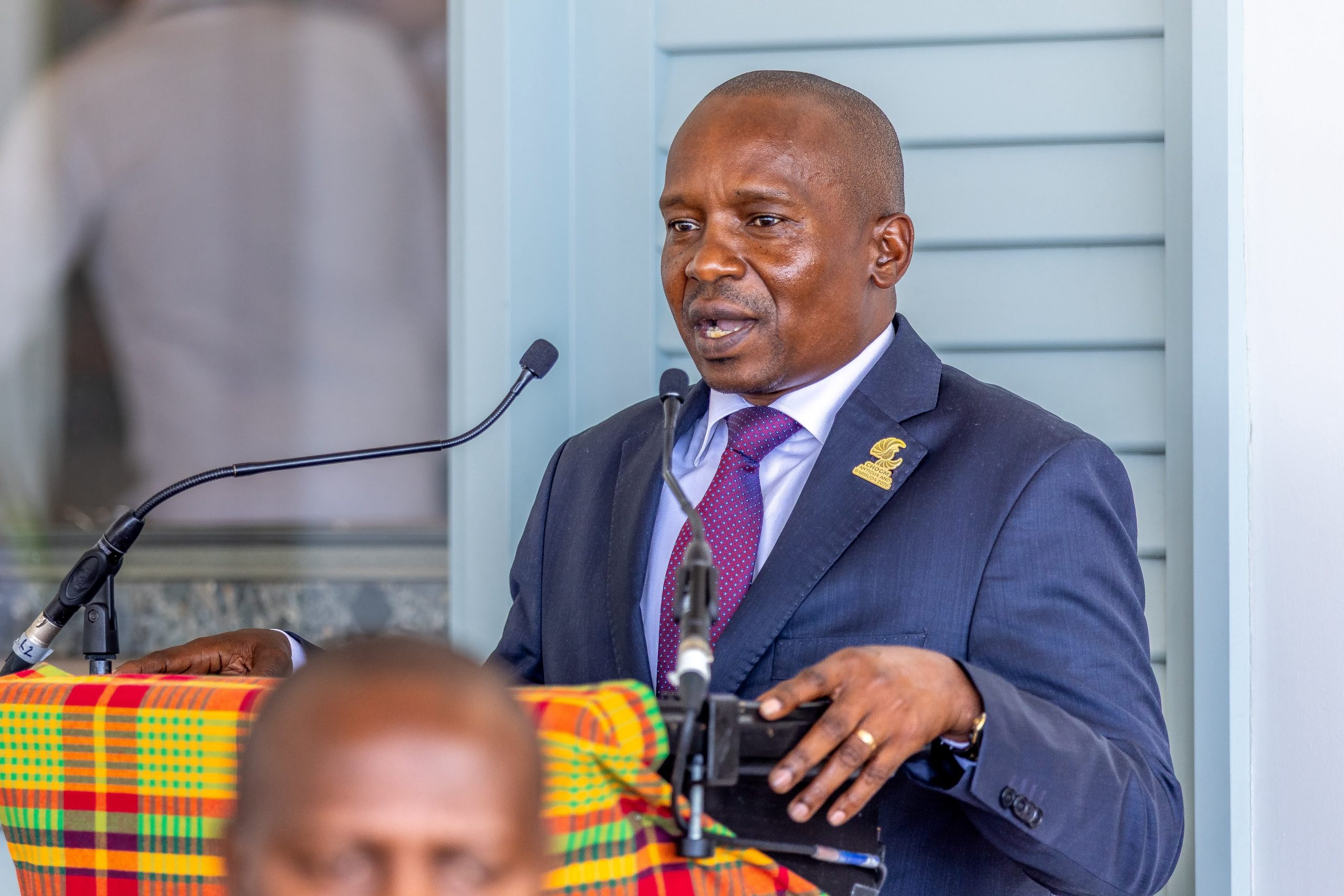
Speaking during the CHOGM Executive Retreat, Kindiki said the government intends to use the fund to mobilise US$10 in private investment for every US$1 committed, creating an alternative financing model for infrastructure development.
He said the fund, established through legislation, would be managed by an independent board with a majority of private-sector representatives, a governance structure intended to promote accountability and build investor confidence.
According to the Deputy President, the fund will prioritise three key sectors: transport, energy and agriculture.
In transport, investments will target the expansion of highways and railway networks, alongside the modernisation of seaports and airports to improve connectivity and strengthen Kenya’s position as a regional logistics hub.
The energy sector will focus on expanding generation capacity, particularly through renewable sources.
Kindiki noted that renewable energy currently accounts for 93 per cent of Kenya’s energy mix, saying the government intends to build on this position to meet rising electricity demand and support industrial growth.
In agriculture, the fund will support water harvesting and storage infrastructure to expand irrigation, with the government targeting an additional 2.5 million acres of land under irrigation.
Digital infrastructure and youth empowerment
Beyond the three priority sectors, Kindiki highlighted investments in technical and vocational education and training (TVET), describing skills development as a critical component of the government’s youth empowerment agenda.
He also disclosed that 30,000 kilometres of the planned 100,000-kilometre Digital Superhighway had been completed, as the government continues to expand digital connectivity across the country.
The Deputy President further cited support for youth-owned enterprises as part of efforts to widen economic opportunities and increase young people’s participation in national development.
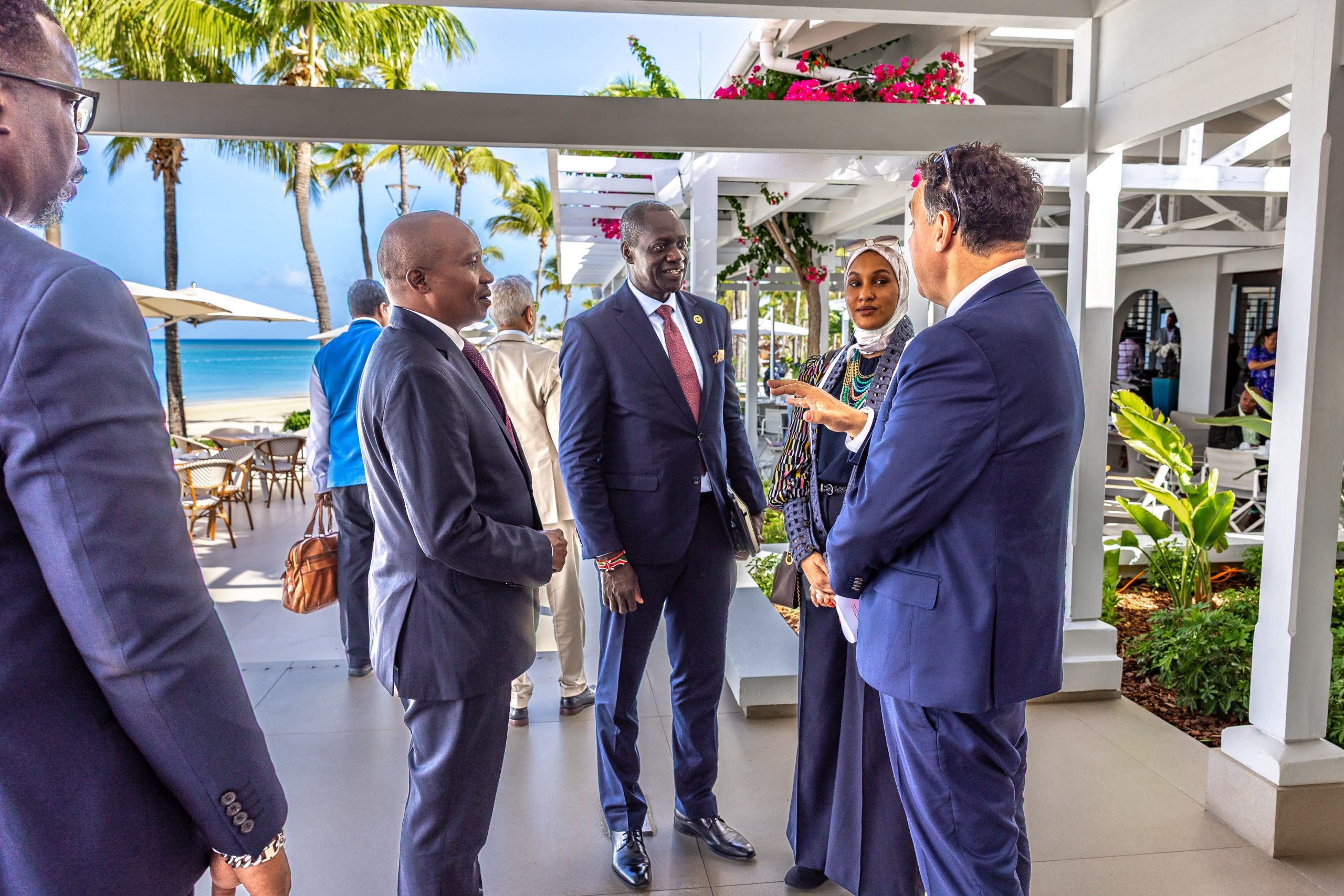
On Kenya’s engagement with the Commonwealth, Kindiki said President William Ruto had agreed to champion youth empowerment and advance the organisation’s youth agenda.
He urged Commonwealth member states, particularly developing economies, to prioritise investment in human capital, technology and public-private partnerships, describing these as essential drivers of sustainable development.