Stakeholders championing the rights of persons with disabilities have called for the meaningful inclusion of women and girls with disabilities in climate action discussions, particularly at the grassroots level where the effects of climate change are most acutely felt.
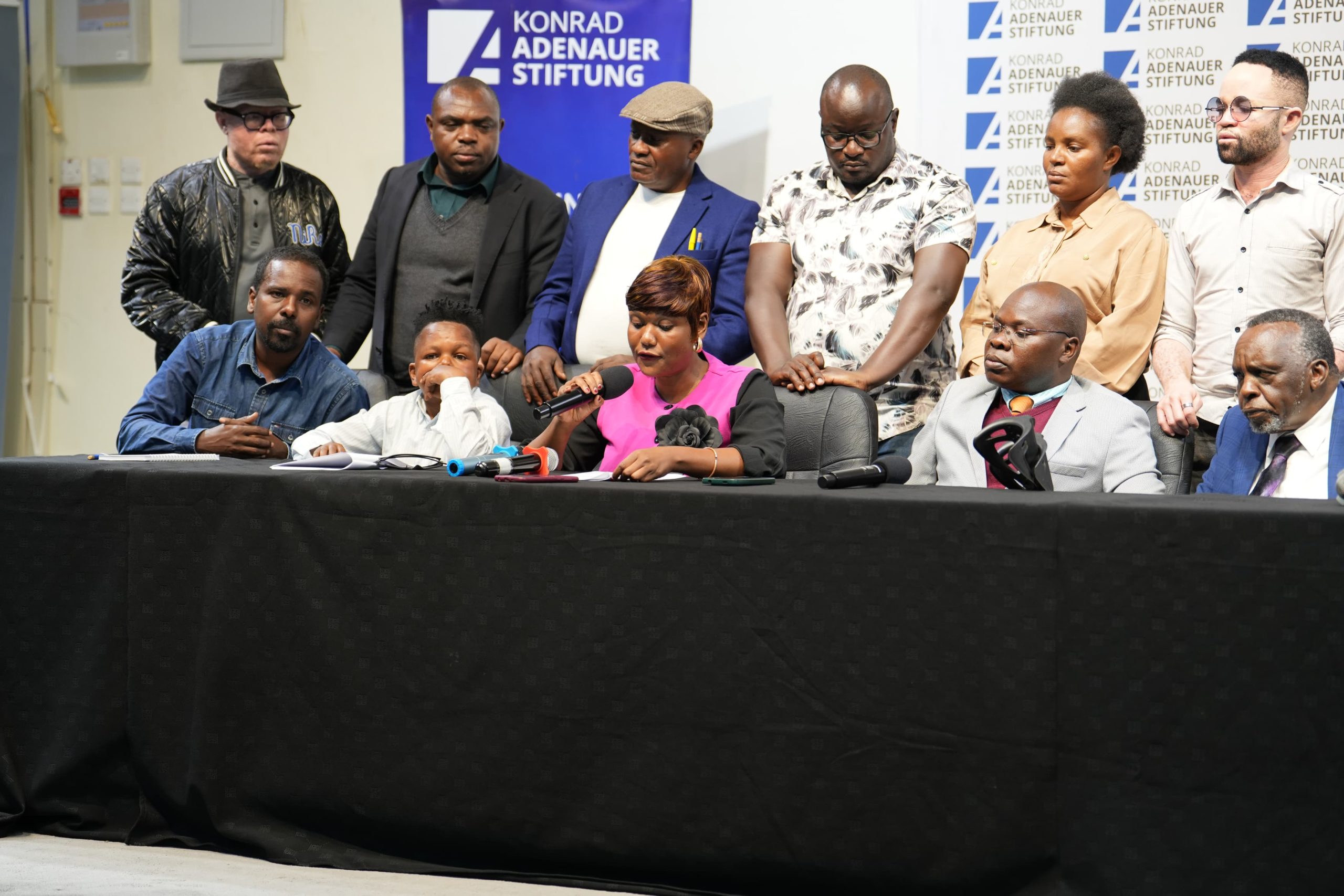
The call was made during the launch of a one-year project dubbed META (Meaningful Engagement and Transformative Action) in Isiolo County on Tuesday June 16, 2026.
The initiative seeks to promote the inclusion of women and girls with disabilities in the green transition agenda, beginning with Nairobi and Isiolo counties.
Speaking at the launch, Kenya Network of Women and Girls with Disabilities Programme Assistant Elizabeth Ombati and Northern Nomadic Disabled Persons Organization (NONDO) Chief Executive Officer Fatuma Mohamed noted that women and girls with disabilities have for years been excluded from key climate change discussions despite being among the most vulnerable groups affected by climate-related disasters.
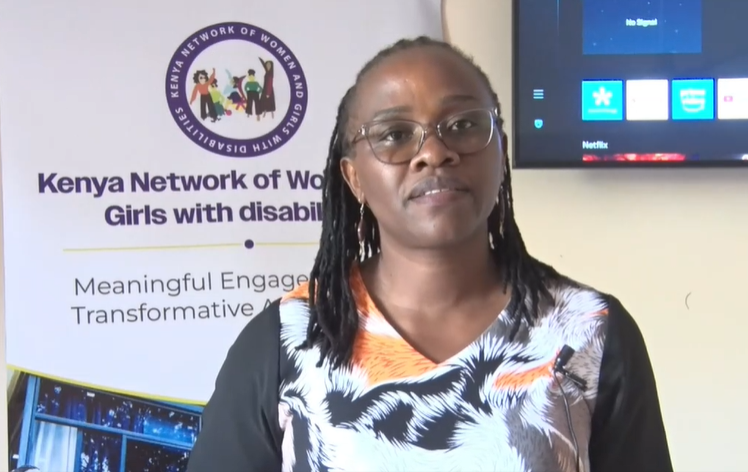
They observed that recurring droughts, floods, and other extreme weather events disproportionately affect women and girls with disabilities, often worsening their living conditions and limiting their mobility and access to essential services.
According to the stakeholders, the META project, which is supported by the European Union through FEMNET, aims to educate women and girls with disabilities on the impacts of climate change and empower them to actively participate in environmental conservation and climate action initiatives.
Ms. Ombati said climate change remains a complex and technical subject for many Kenyans, particularly persons with disabilities living in rural communities.
She expressed confidence that the project would help bridge the information gap and equip participants with the knowledge needed to understand climate issues and contribute to climate solutions.
She further noted that the initiative will work closely with county governments and climate action stakeholders to assess existing climate-related policies and advocate for greater inclusivity of persons with disabilities in policy formulation and implementation.
“We want women and girls with disabilities not only to understand climate change but also to be part of the decision-making processes and interventions aimed at addressing it,” she said.
On her part, Fatuma Mohamed lamented the limited representation of women and girls with disabilities in global climate forums, including the annual Conference of the Parties (COP) meetings.
She argued that in many cases, those who attend such forums on behalf of persons with disabilities may not fully understand the unique challenges faced by women and girls living with disabilities at the grassroots level.
“The people most affected by climate change should have a seat at the table where decisions are being made,” she said.
Fatuma added that the META project seeks to address these gaps by creating platforms where women and girls with disabilities can directly engage in climate conversations and influence policies affecting their lives.
Amina Ibrahim, leader of the Isiolo Persons with Visual Impairment Group, welcomed the initiative, describing it as a significant step towards recognizing and amplifying the voices of women and girls with disabilities.
She expressed optimism that the project would help break barriers that have historically excluded persons with disabilities from participating in important community and national discussions.
“This is the first time many of us feel that our voices matter in conversations about climate change and development,” she said.
The project will run for one year, after which implementers will conduct assessments to measure its impact and achievements in the target communities.
Ms. Ombati urged all Kenyans to support efforts aimed at ensuring persons with disabilities, particularly women and girls, are included in decision-making processes within their communities and beyond.